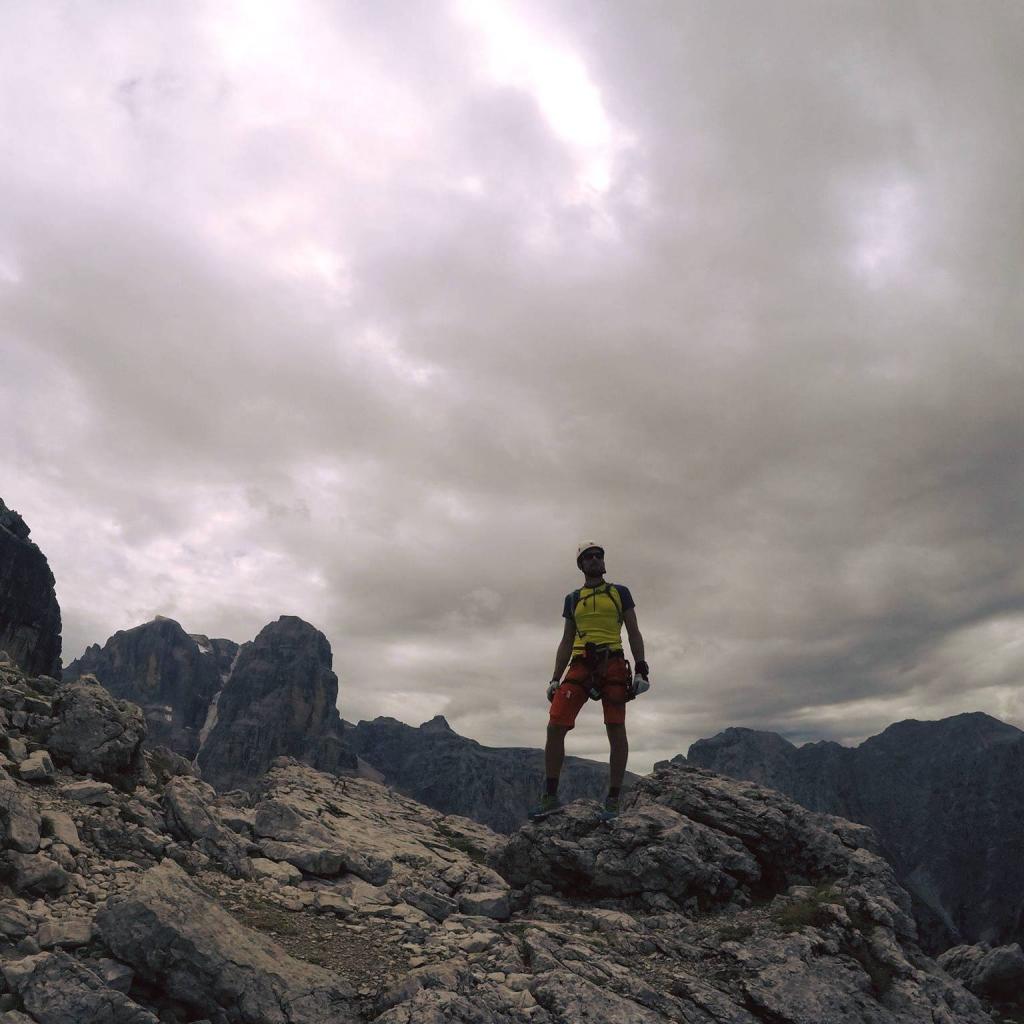

Hervorragendes Bikepacking Zelt für schöneres Wetter
VORTEILE
- Wasserdichter Packsack direkt am Rad
- Rasant schneller Aufbau
- Geringes Gewicht
- Vielfältige Aufbewahrungsfächer im Zelt
- Ausreichend große Apsis
- Sitzhöhe 97 cm
NACHTEILE
- Geringe Wassersäule von 1200 mm
- Keine zusätzlichen Belüftungsschlitze
BEWERTUNG
MSR Hubba Hubba Bikepacking Tent
The gravel bike and bikepacking season is just around the corner. After spending the last few years mainly on MTB tours and staying in huts and guesthouses, MSR is now offering the Hubba Hubba Bikepacking Tent. That makes my bikepacking heart beat faster. After having used 2 MSRs for hiking for decades and being a big fan of MSR, I am now excited to see how the bikepacking version performs.
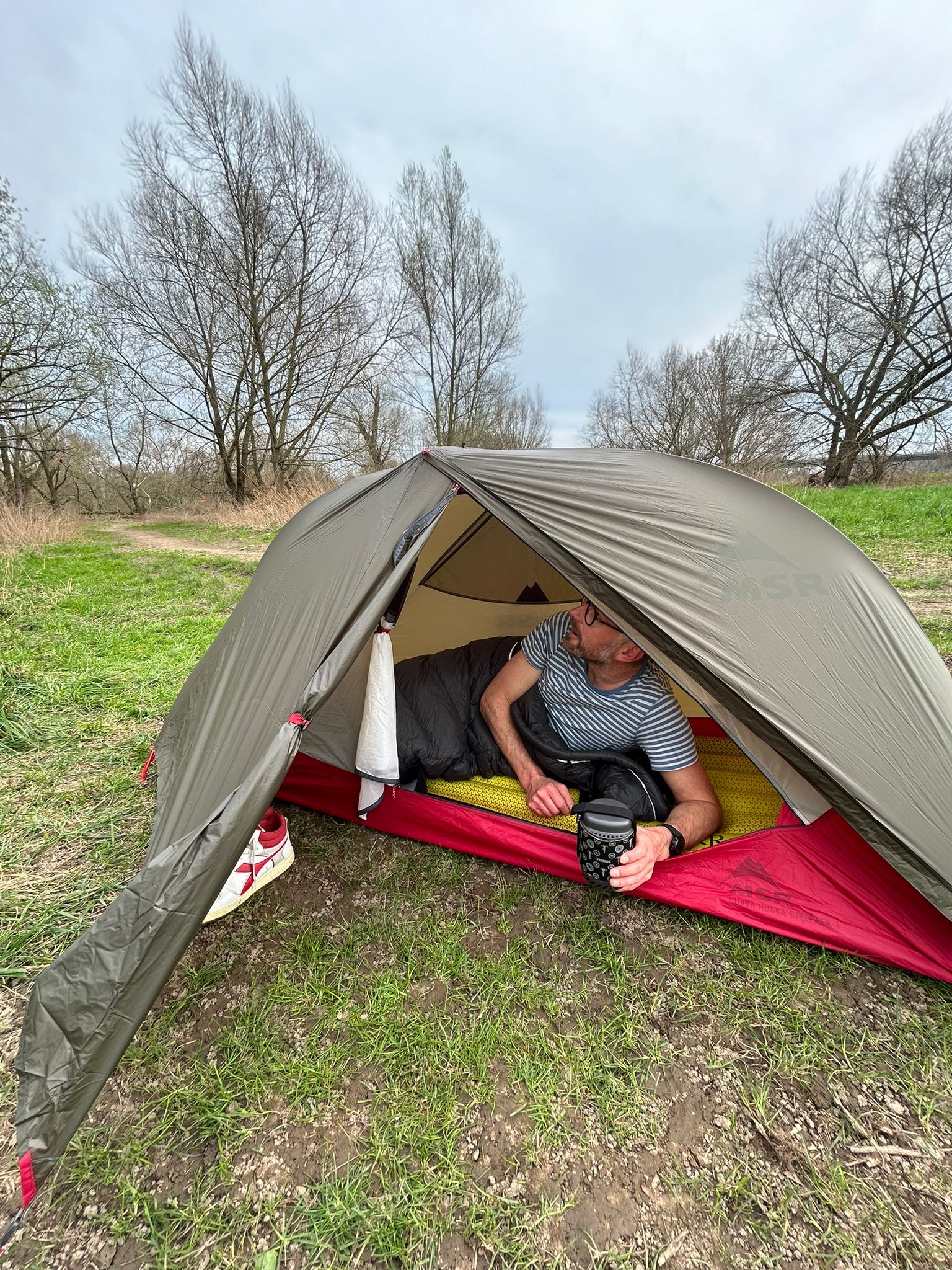
What should a tent like this have to make it suitable for bikepacking? First of all, it should be as light as possible with a small pack size. This is definitely the number 1 main criterion. But what is the point of a light tent if it is not stable in bad weather and wind and you cannot rely on the tent. I am always a fan of a vestibule so that you can store a stove etc. and of additional storage points inside the tent.
MSR also advertises the tent as a 3-season solo tent, i.e. a tent for spring to autumn.
You can read the following test to find out whether the Hubba Hubba meets my expectations and perhaps even exceeds them.
So let’s get straight to some hard facts:
- Weight tent: 610 g | Poles: 354 g | Pegs: 112 g | Bikepacking pack sack: 192 g (
- Total weight reweighed 1268 g
- Pack size approx. 35 x 17 cm
- Dimensions: Inner tent: 216 x 76 x 97 cm | Apse max. depth: 76 cm
- Water column: Outer tent: 1200 mm | Floor: 1200 mm
- Material outer tent: 100% nylon (20D ripstop, siliconized & PU-coated)
- Inner tent material 100% polyester (10D micro mesh)
- Material bottom 100% nylon (20D ripstop, PU-coated)
- Rods: DAC Aluminum
- aluminum pegs
- Entrances/Apses/Vents 1 | 1 | 1
- number of people 1
- Scope of delivery tent | poles | pegs | stuff sack with spacers | clotheslines
- Extras: StayDry™ entrance with gutter
- Construction: Dome tent
What makes the tent so special for bikepacking:
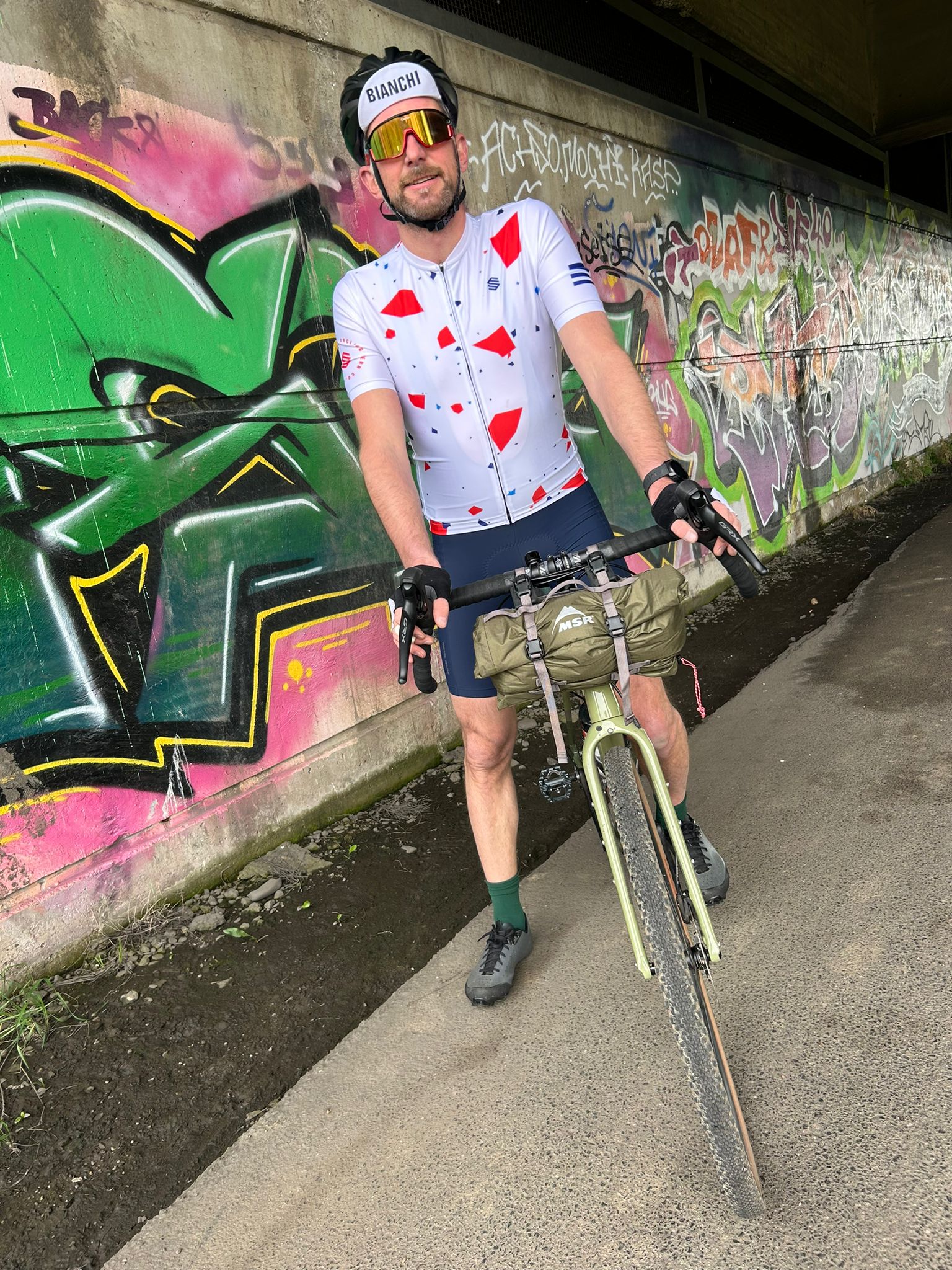
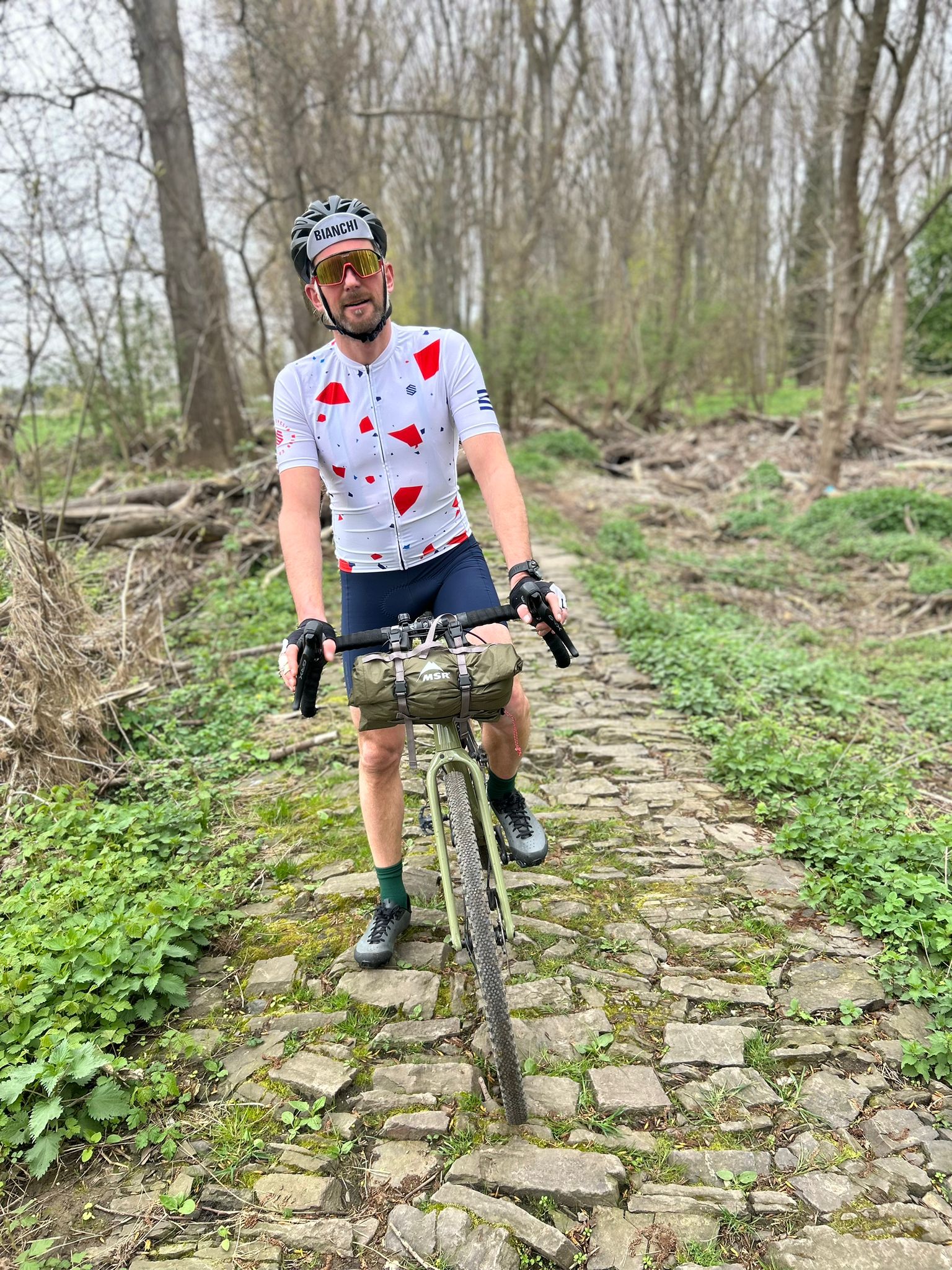
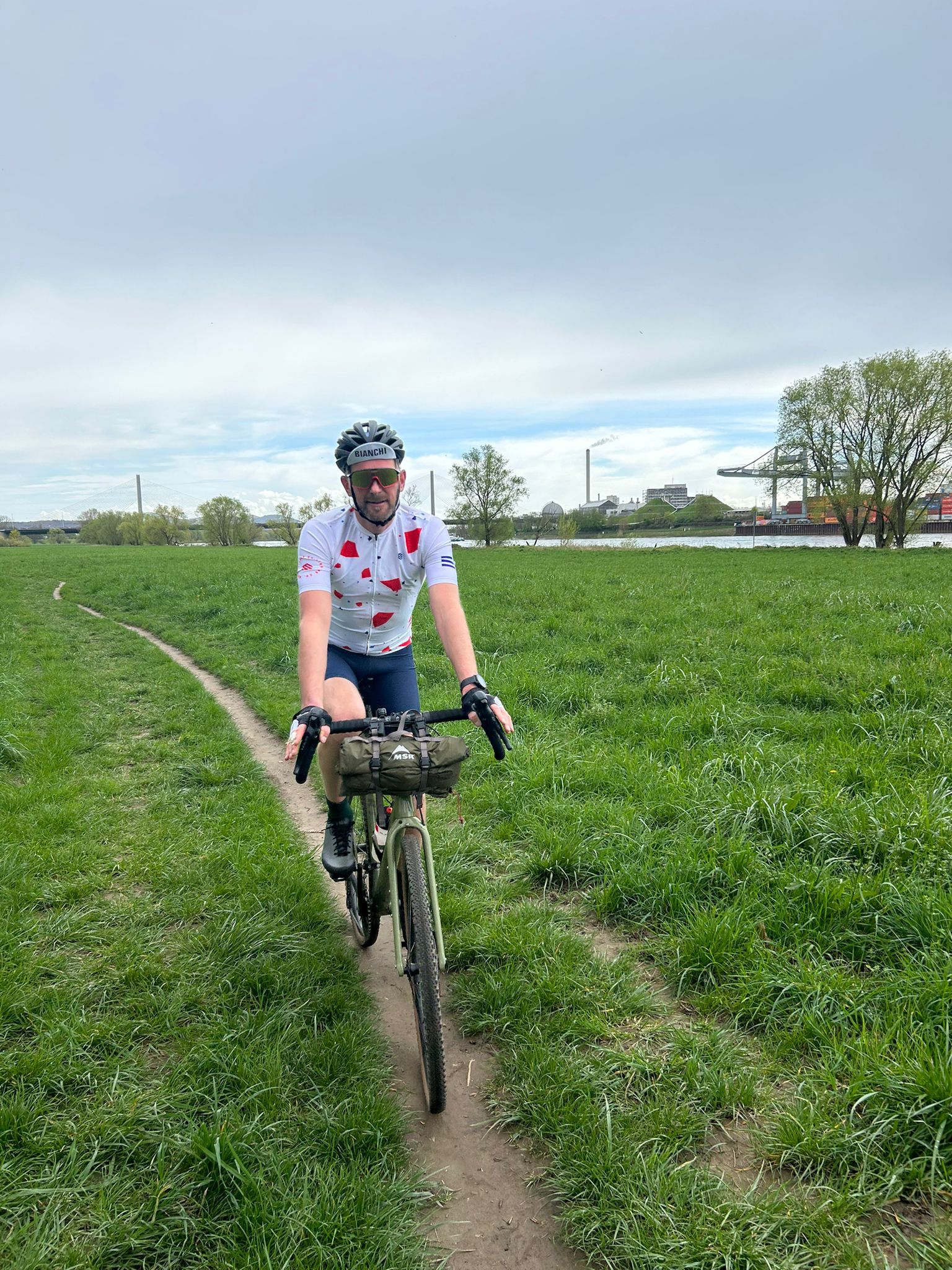
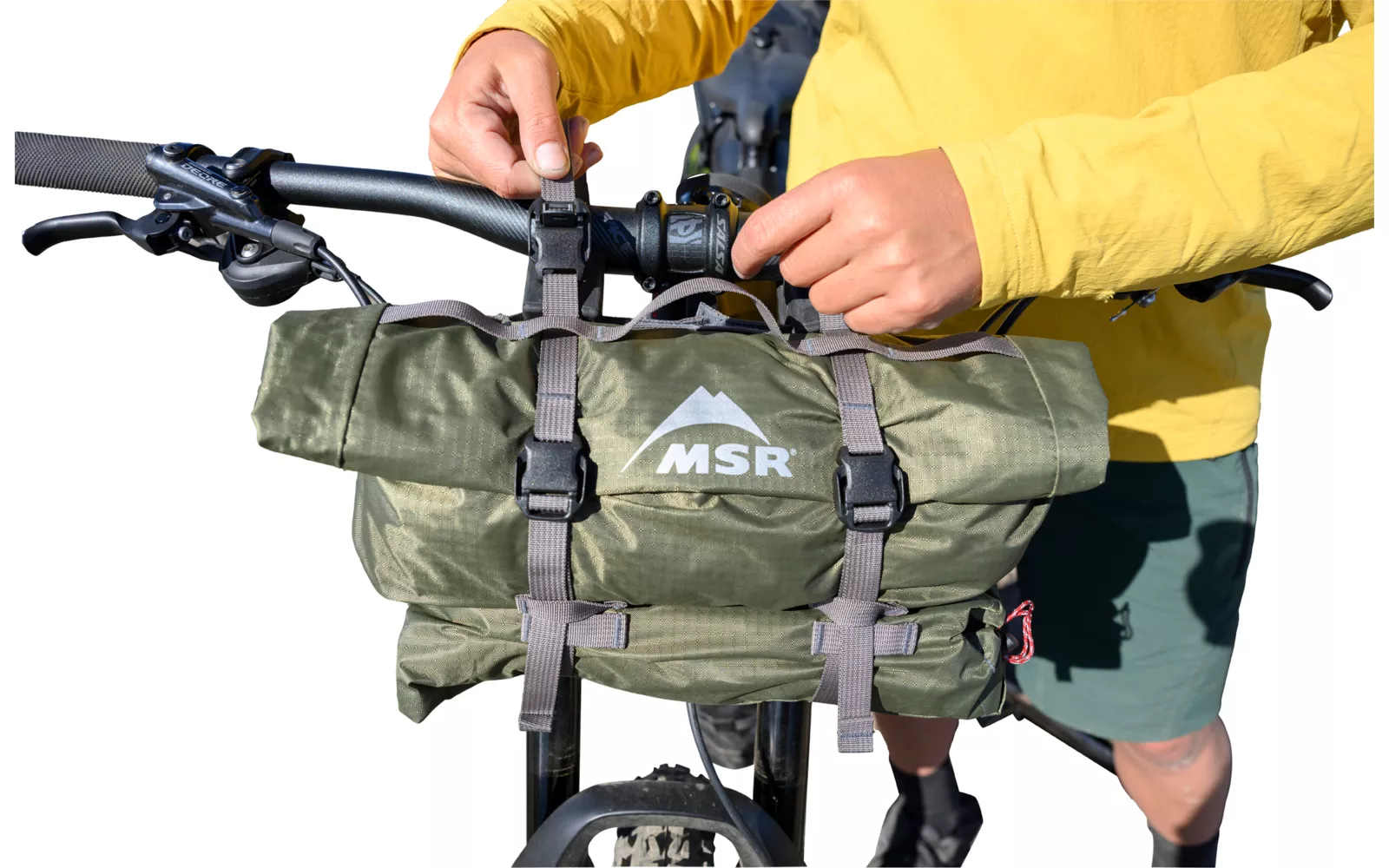
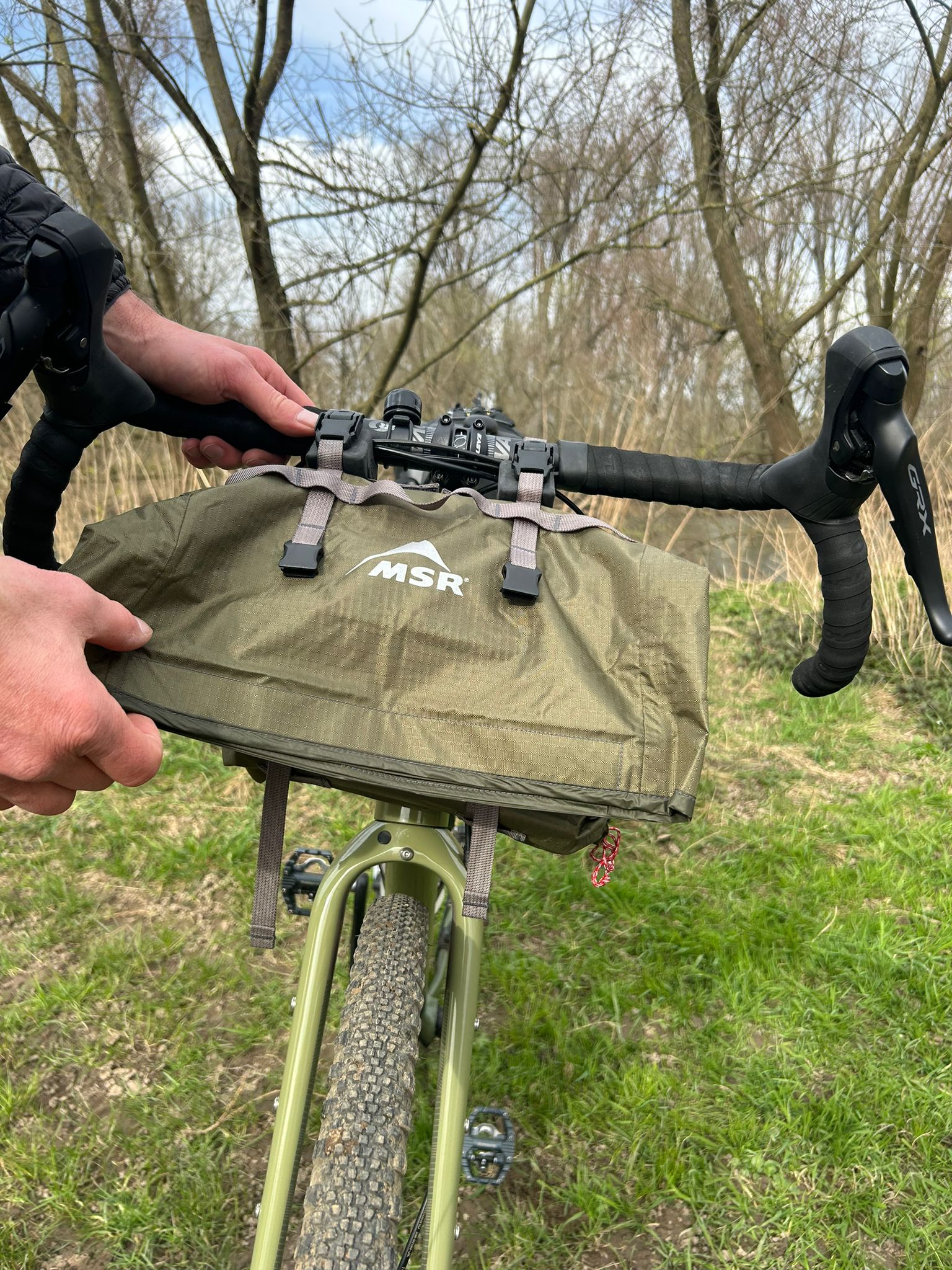
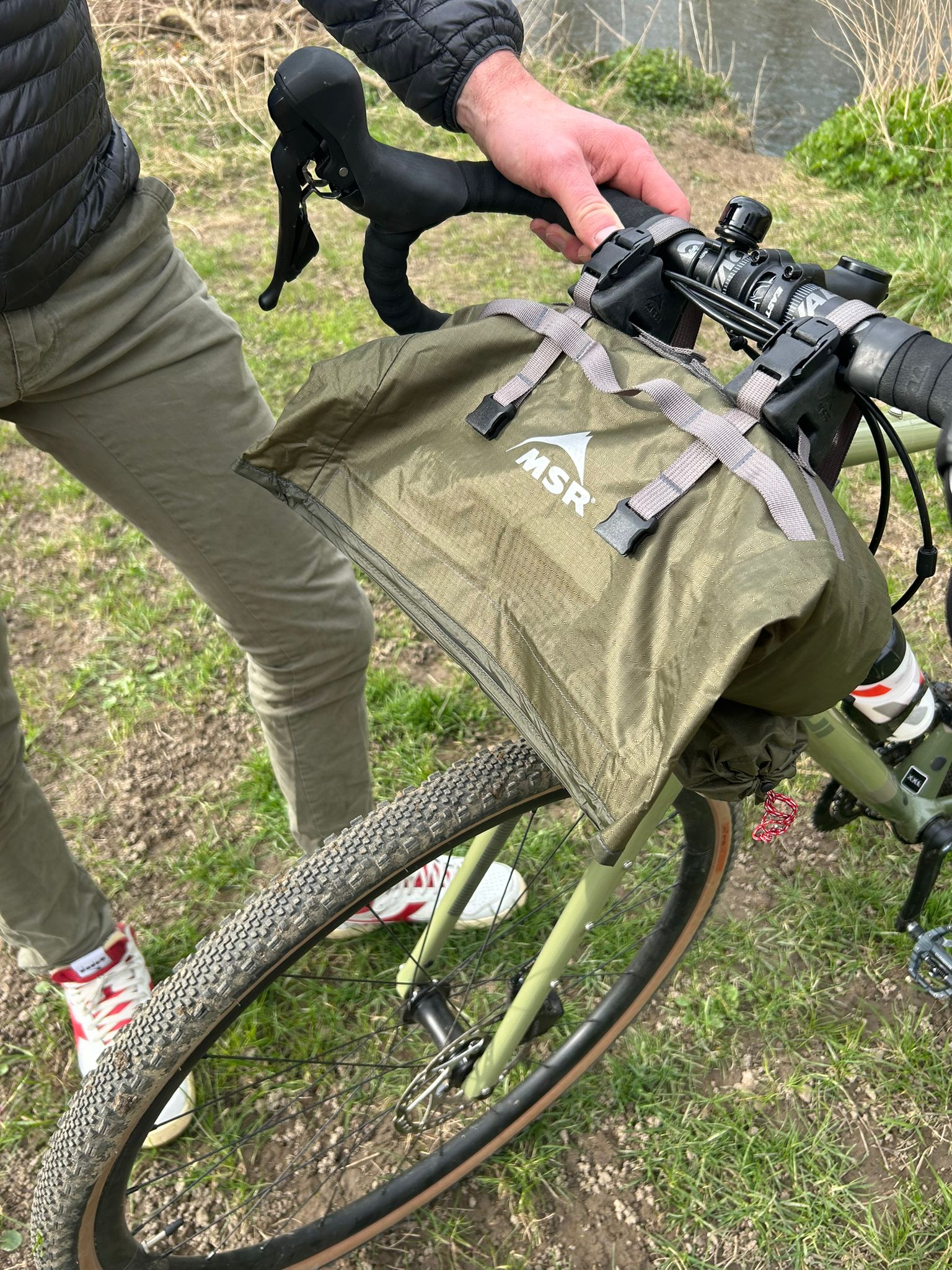
Wheel mount: The tent comes in a really minimalist storage bag. But that's not all. The storage bag contains attachments to attach it to the steering wheel. It's also waterproof. A really perfect solution. The tent bag can be easily attached to all steering wheels. This is ensured by pre-formed rubber devices and straps.
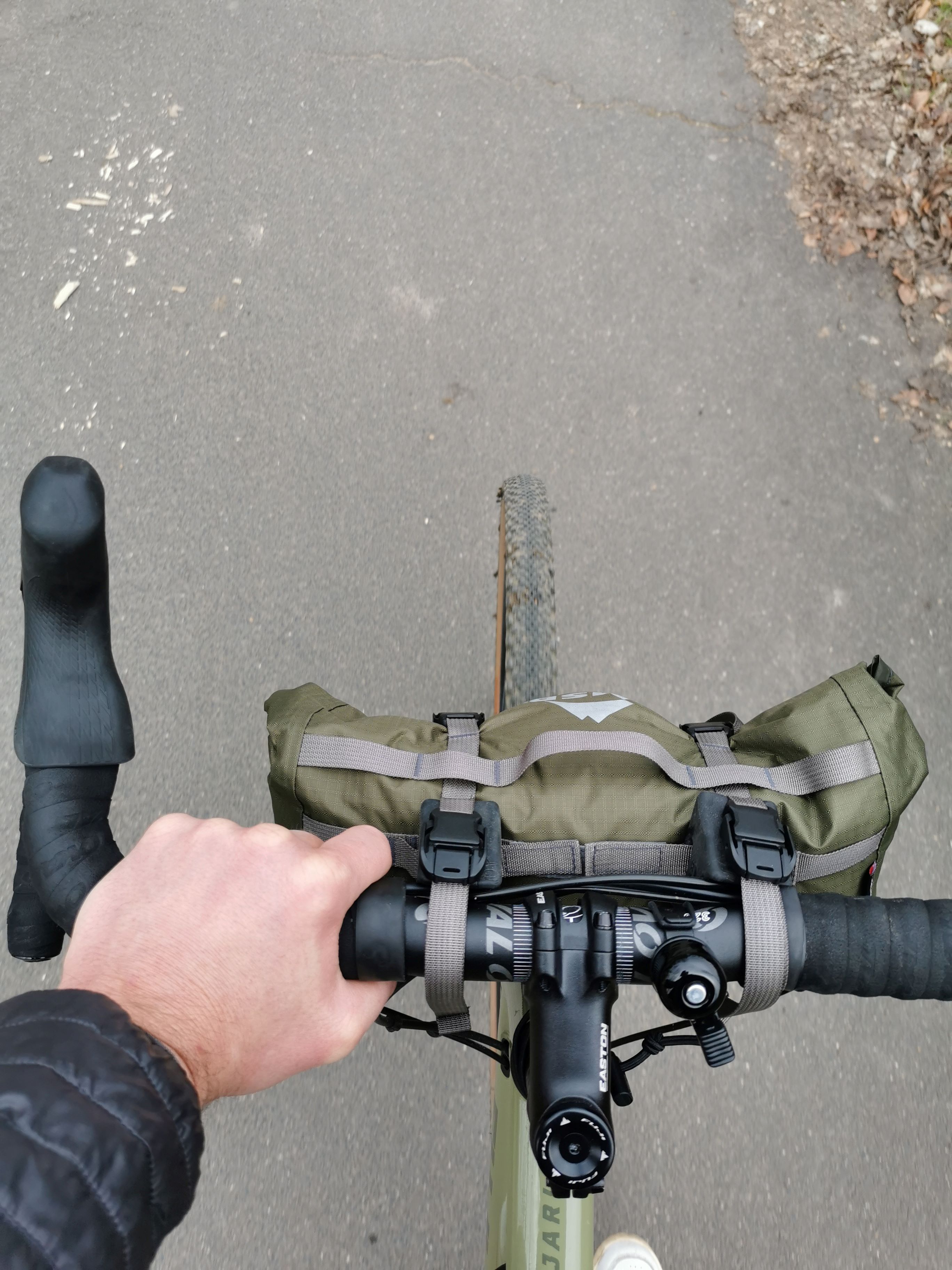
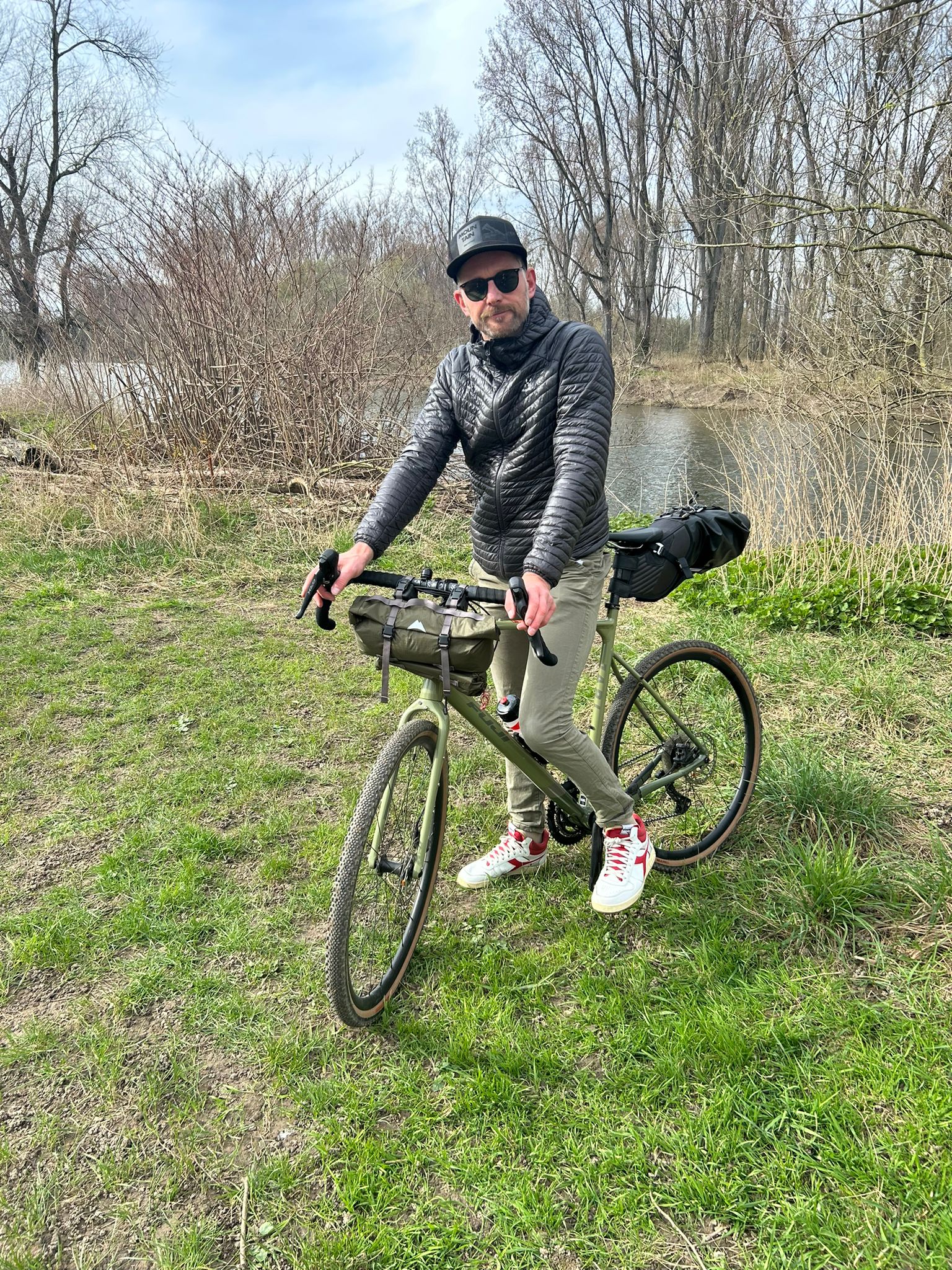
As a bike owner you are always worried about scratches on your bike, so I was very curious to see how well the attachment would work. And it was actually a bit of a fiddle for me. The spacers can be moved a little, but I don't know if that's because of the way my cables are arranged, but the attachment certainly wasn't perfect.
The fastening straps are now resting on my steering wheel, which is certainly not ideal. After a few long rides, it is clear that my steering wheel strap has already been slightly damaged. This needs to be improved.
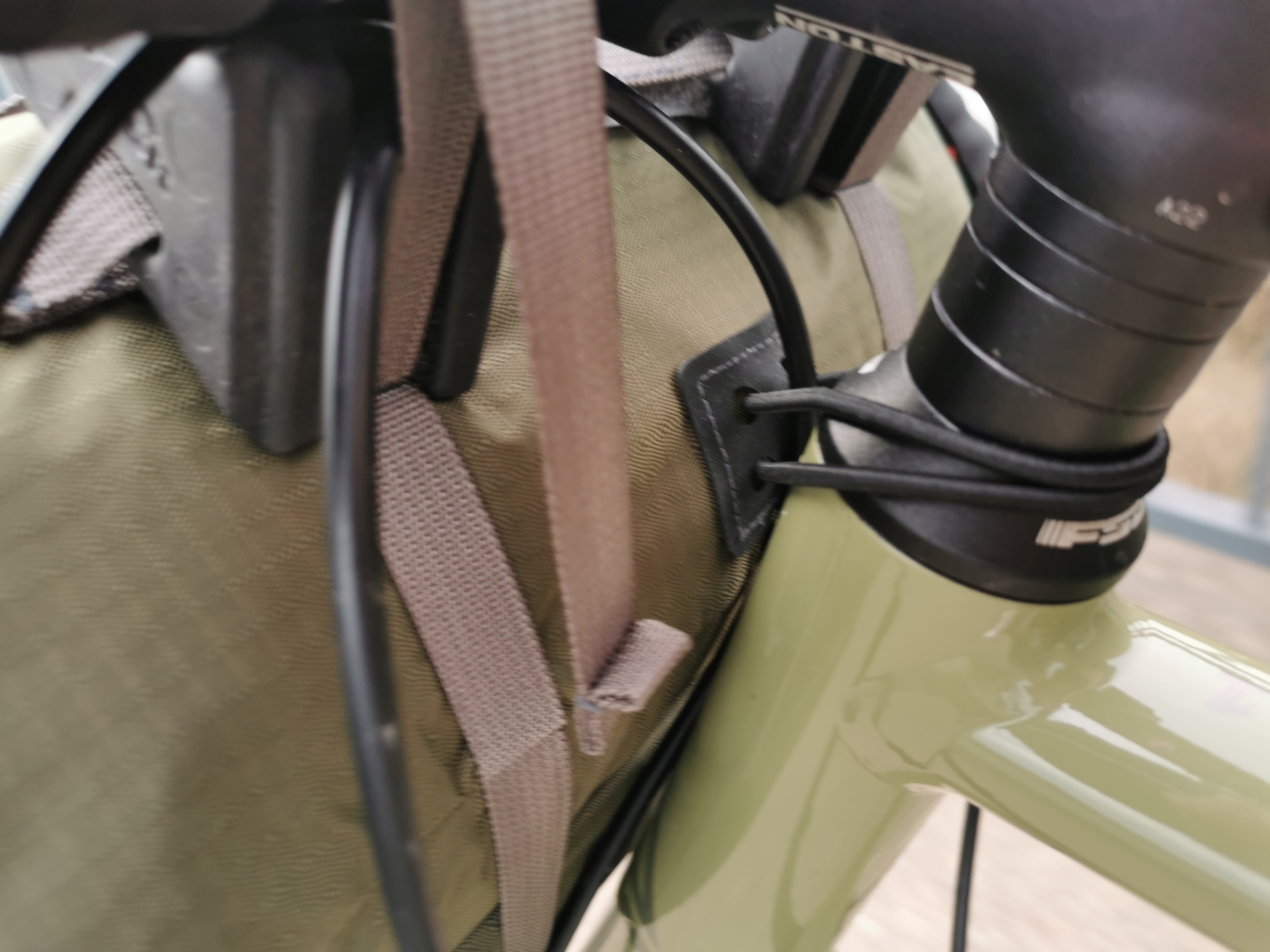
I would have preferred a complete rubber device with various rubber inserts. However, the device was quite stable when driving and hardly anything wobbled. I had to be careful when folding the tent widthways, otherwise the bag would have come very close to the end of my handle. There is also a rubber loop that can be attached to the stem for additional stability.
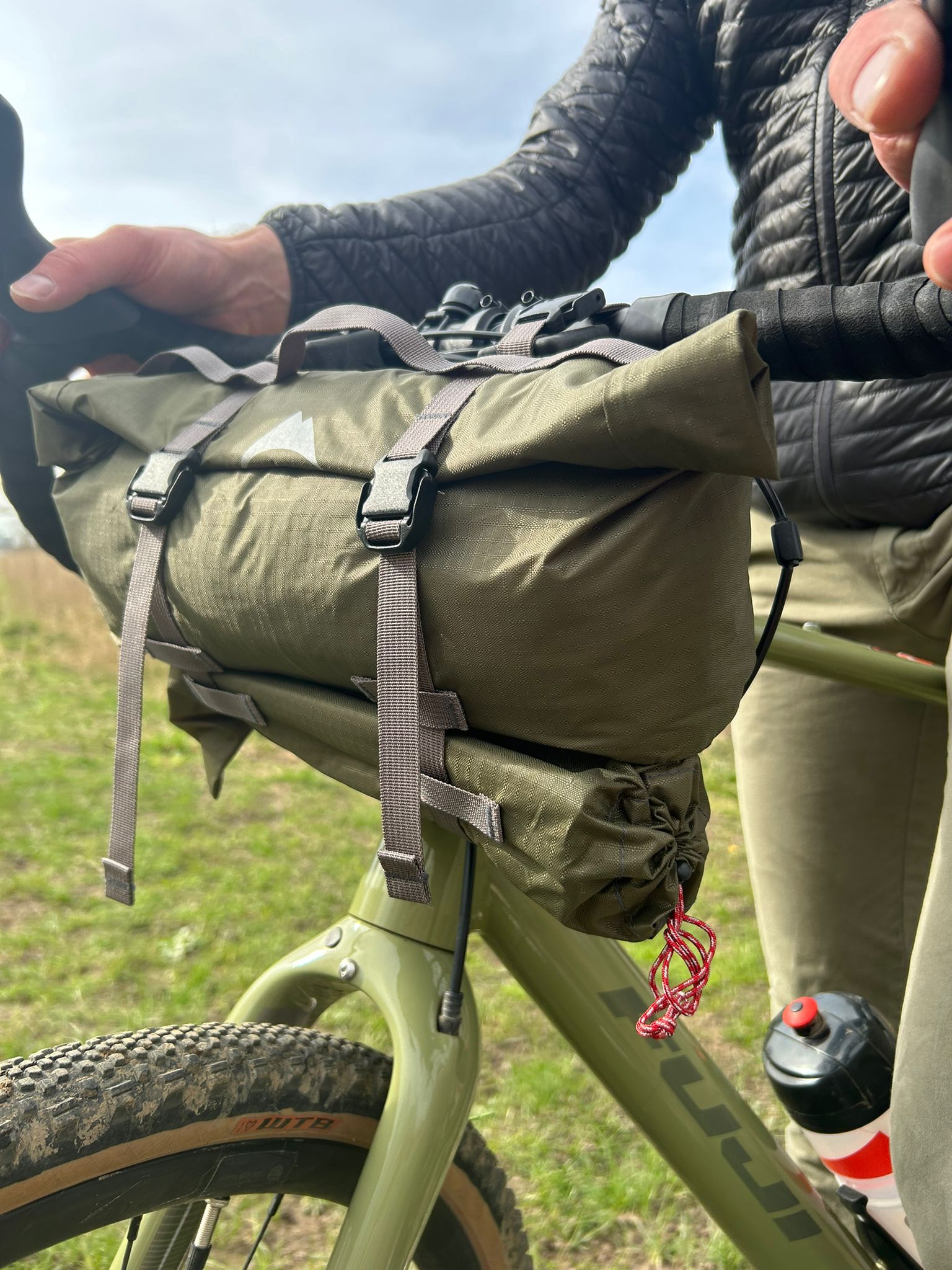
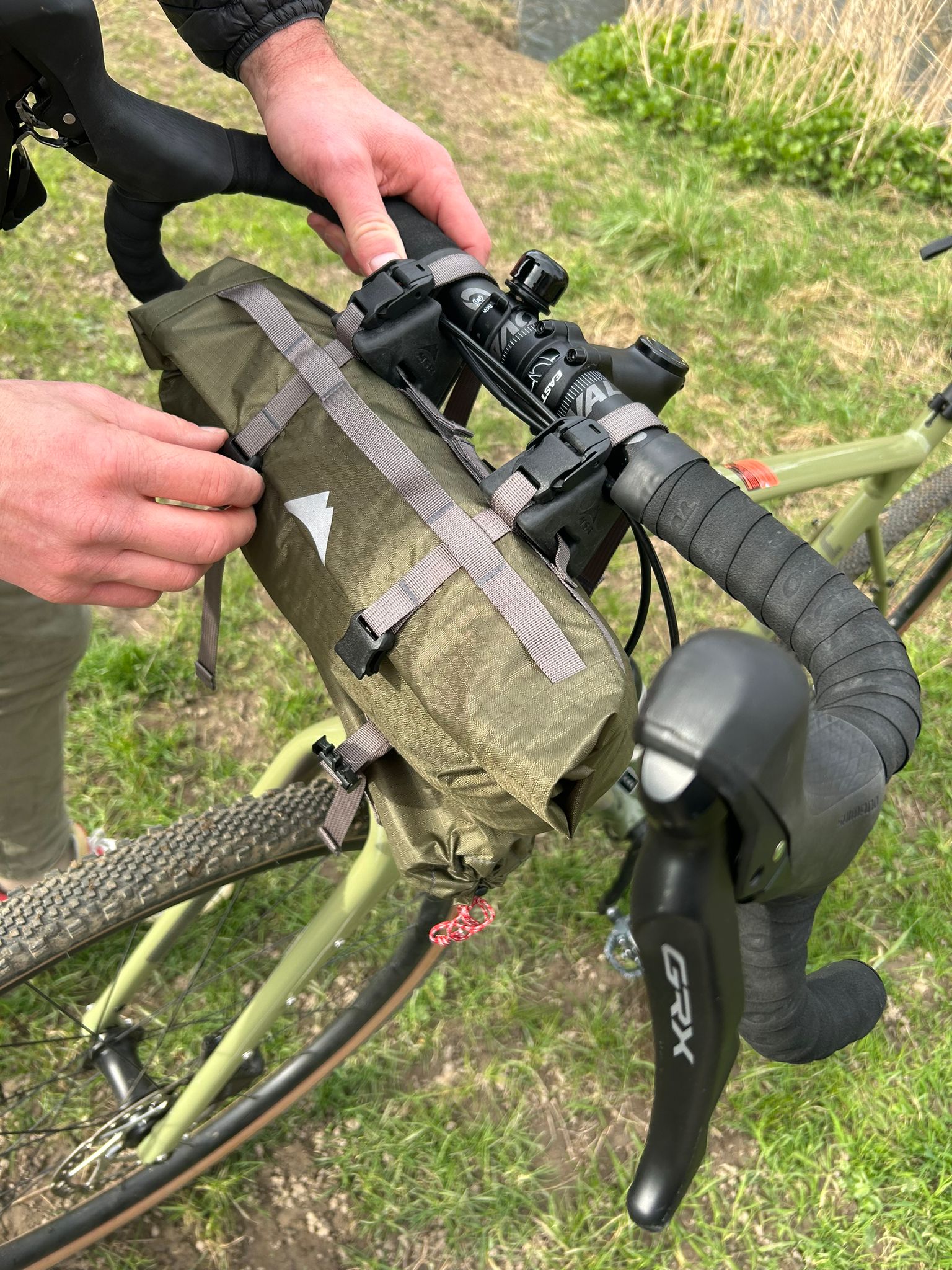
Pack sack: The pack sack can automatically be used as a bike holder. Perfect and cool idea. It is even waterproof and protects your tent from rain. A very good solution is that the tent poles are attached under the pack sack and hold securely there. The poles are strong DAC poles that are designed with shorter segments and can therefore be folded up very small. The straps also make it easy to pull the pack sack together and compress it. The pegs can be put in the pack sack. And bikepacking has also been taken into account here. There is a reflective MSR logo on the front.
Construction:
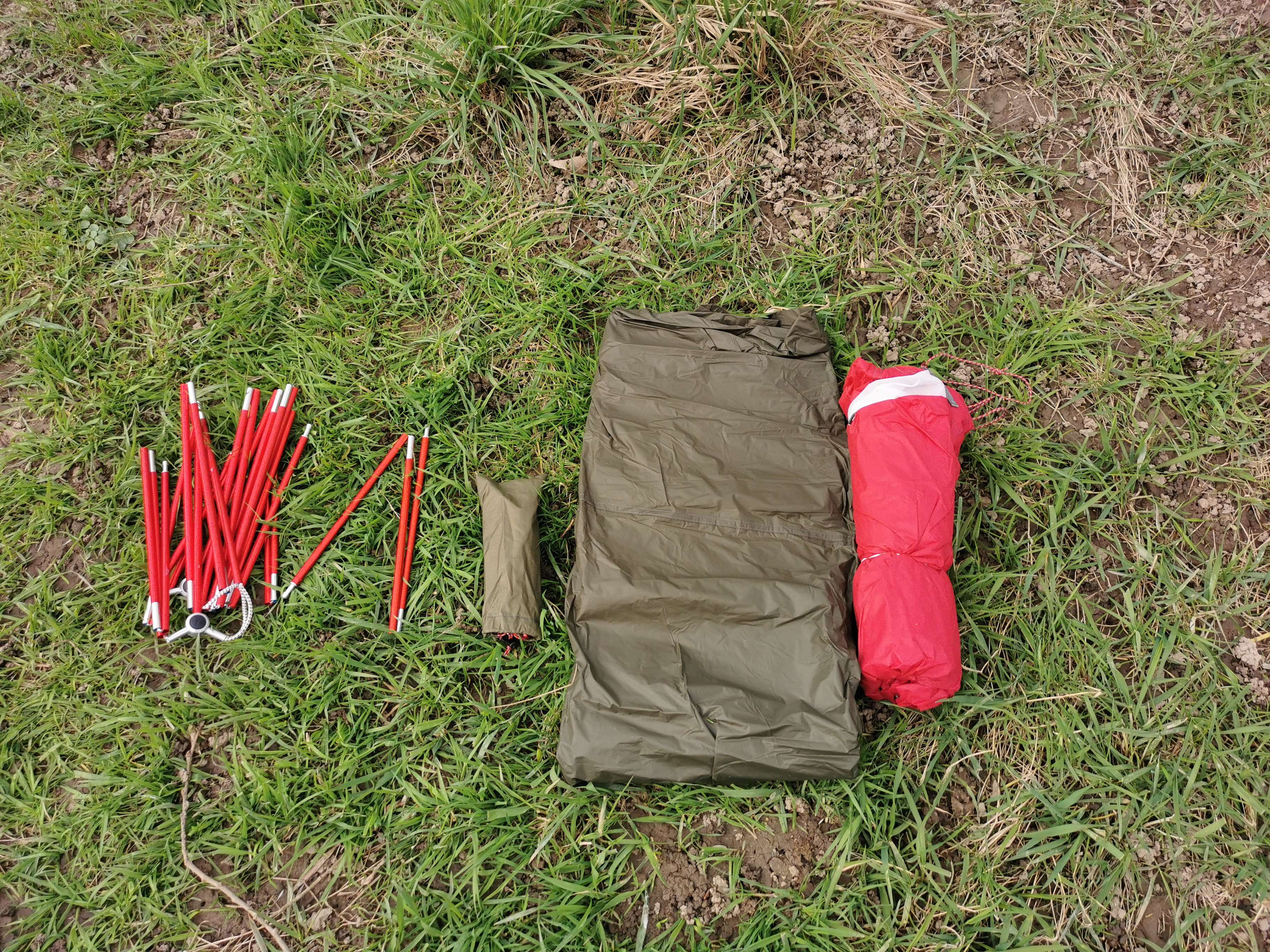
The assembly is really easy and can be completed in under 5 minutes and even works without an instruction manual.
Hook the pegs into the long poles, attach the crossbar at the top, put the outer tent on top, attach it, and you're done. If the weather is good, you can just leave the inner tent up so that you have complete ventilation and a great view.
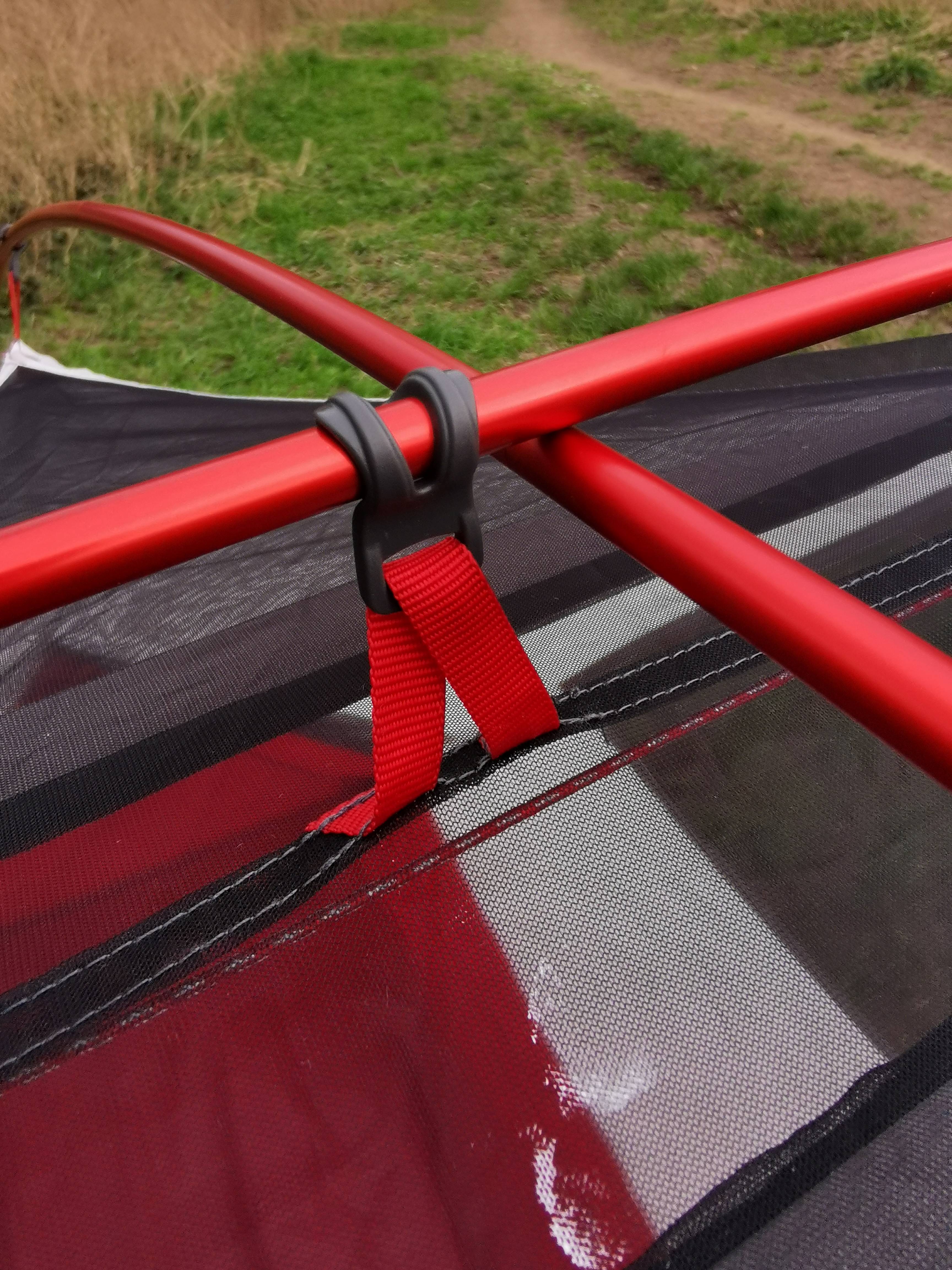
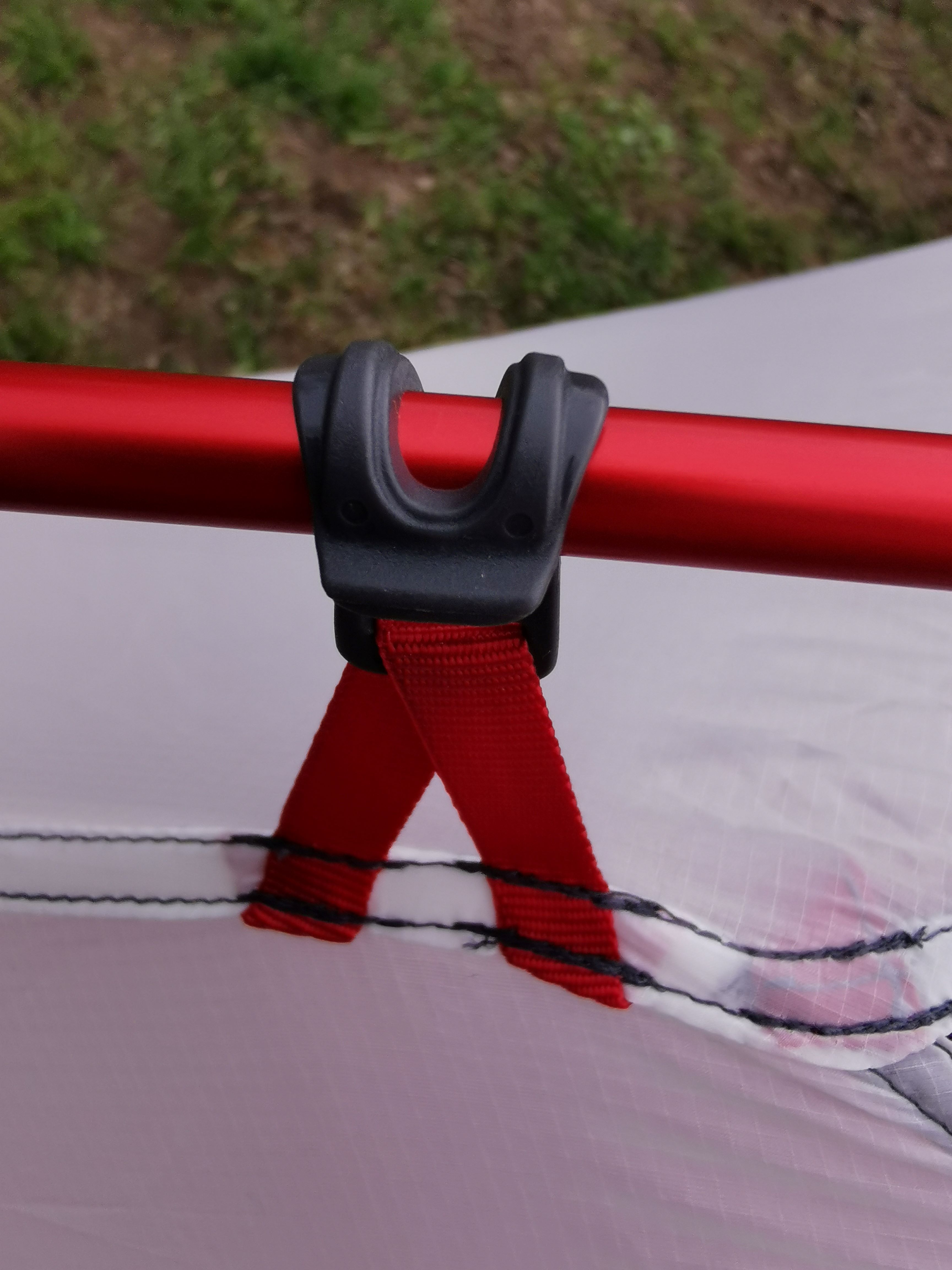
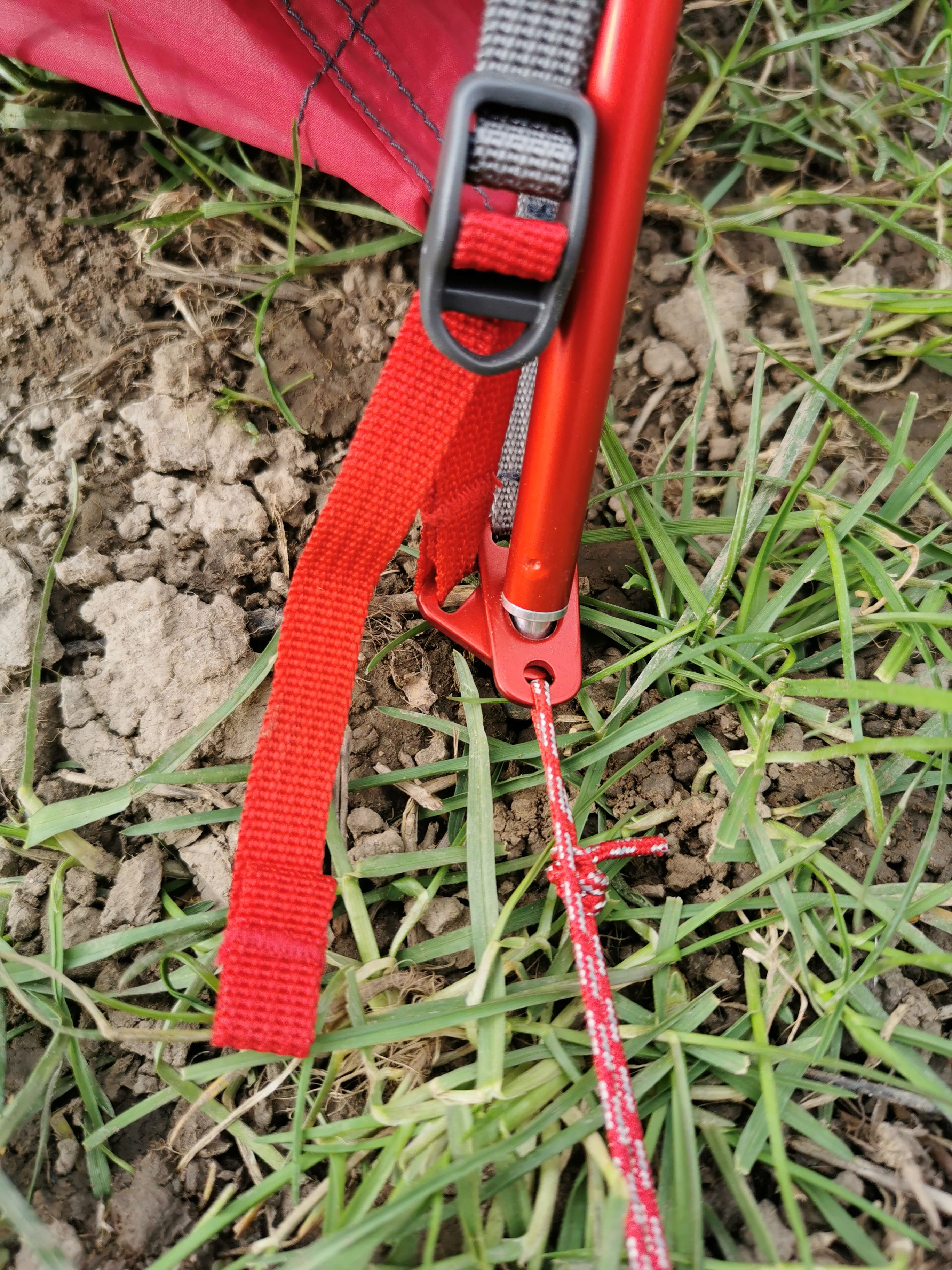
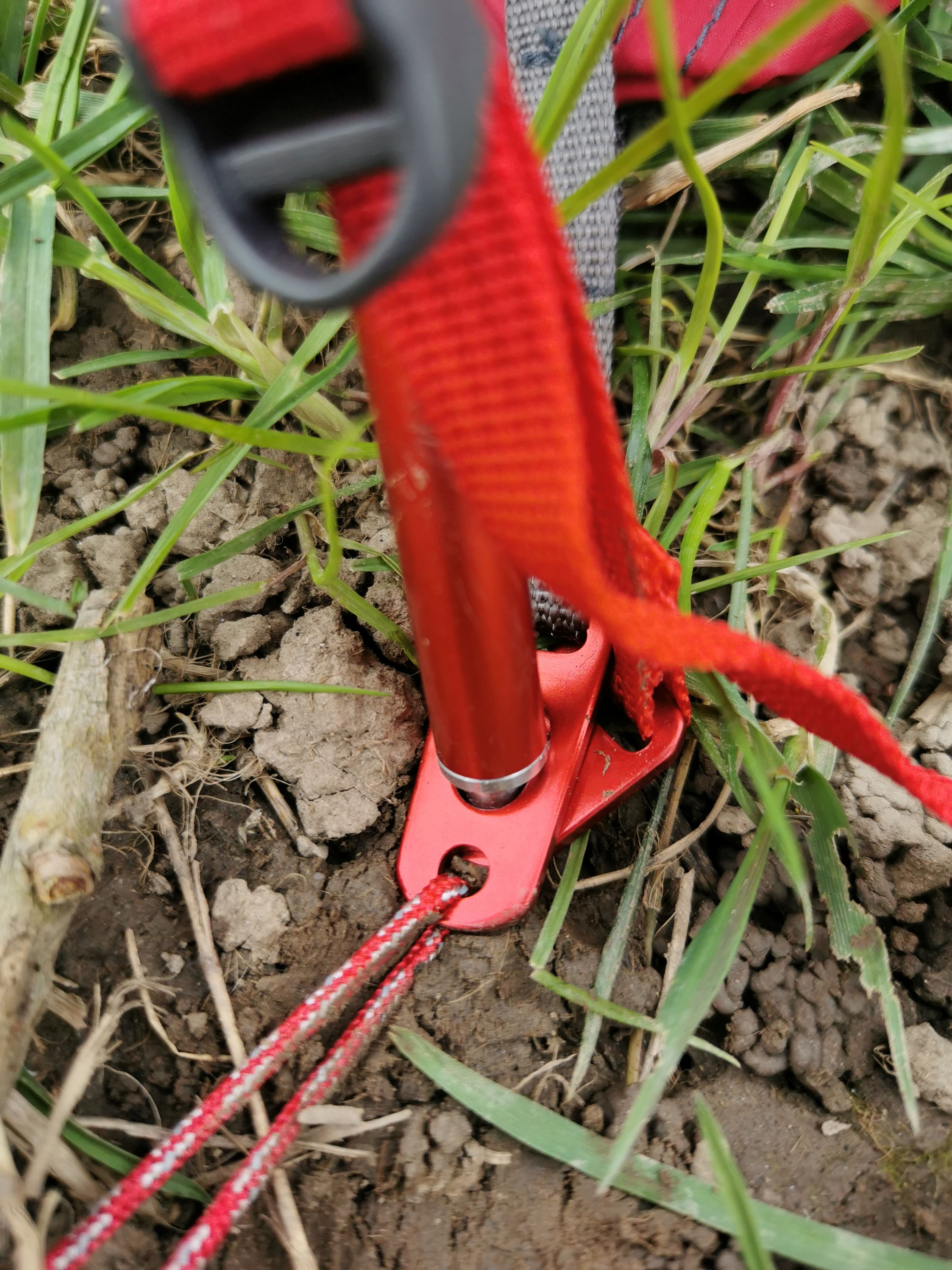
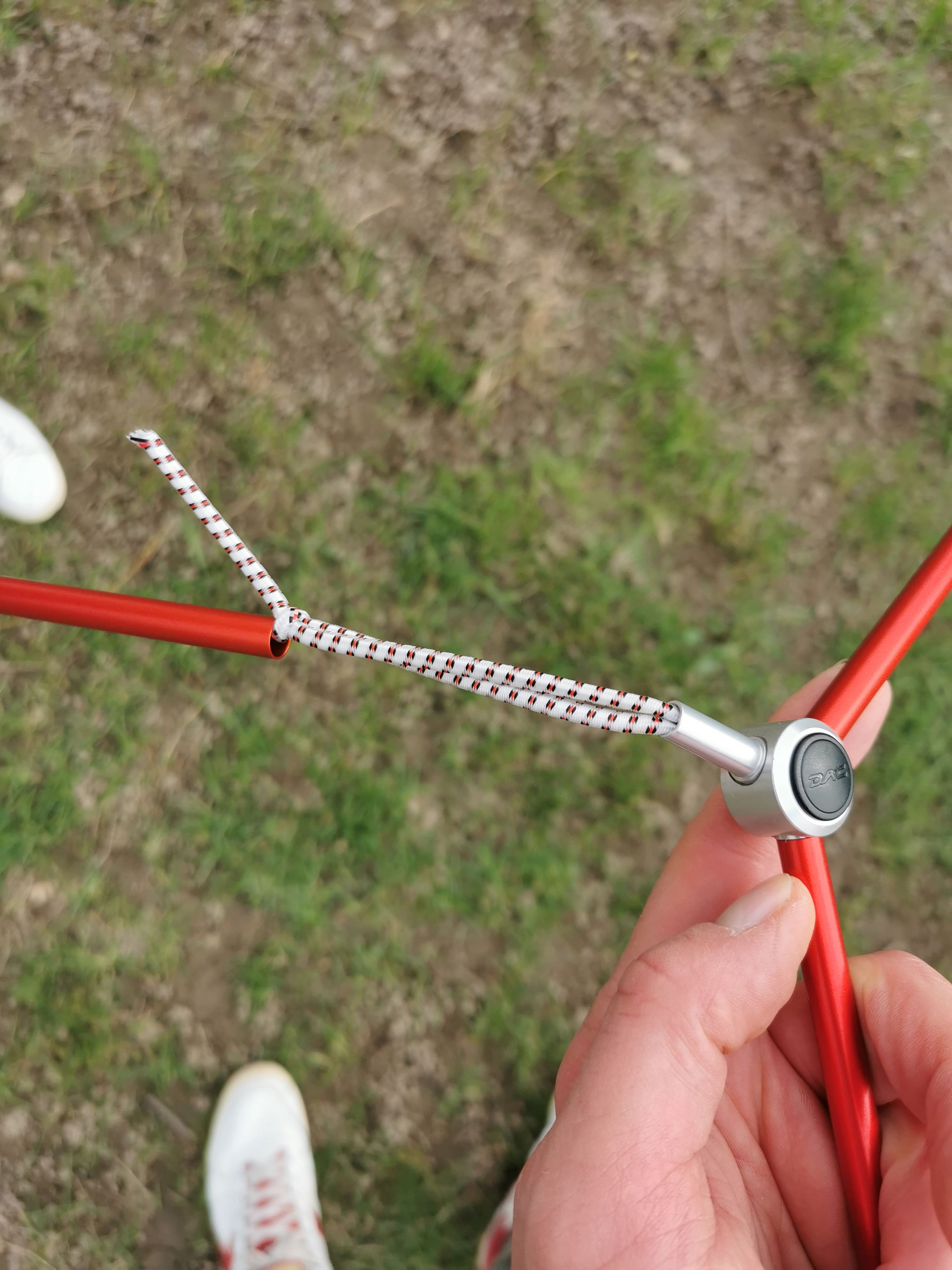
Problems did arise, however, because the inner rubber was quickly distorted due to the division into many small rods. See photo:
There are also additional guy rope options. The guy ropes are of course included with MSR.
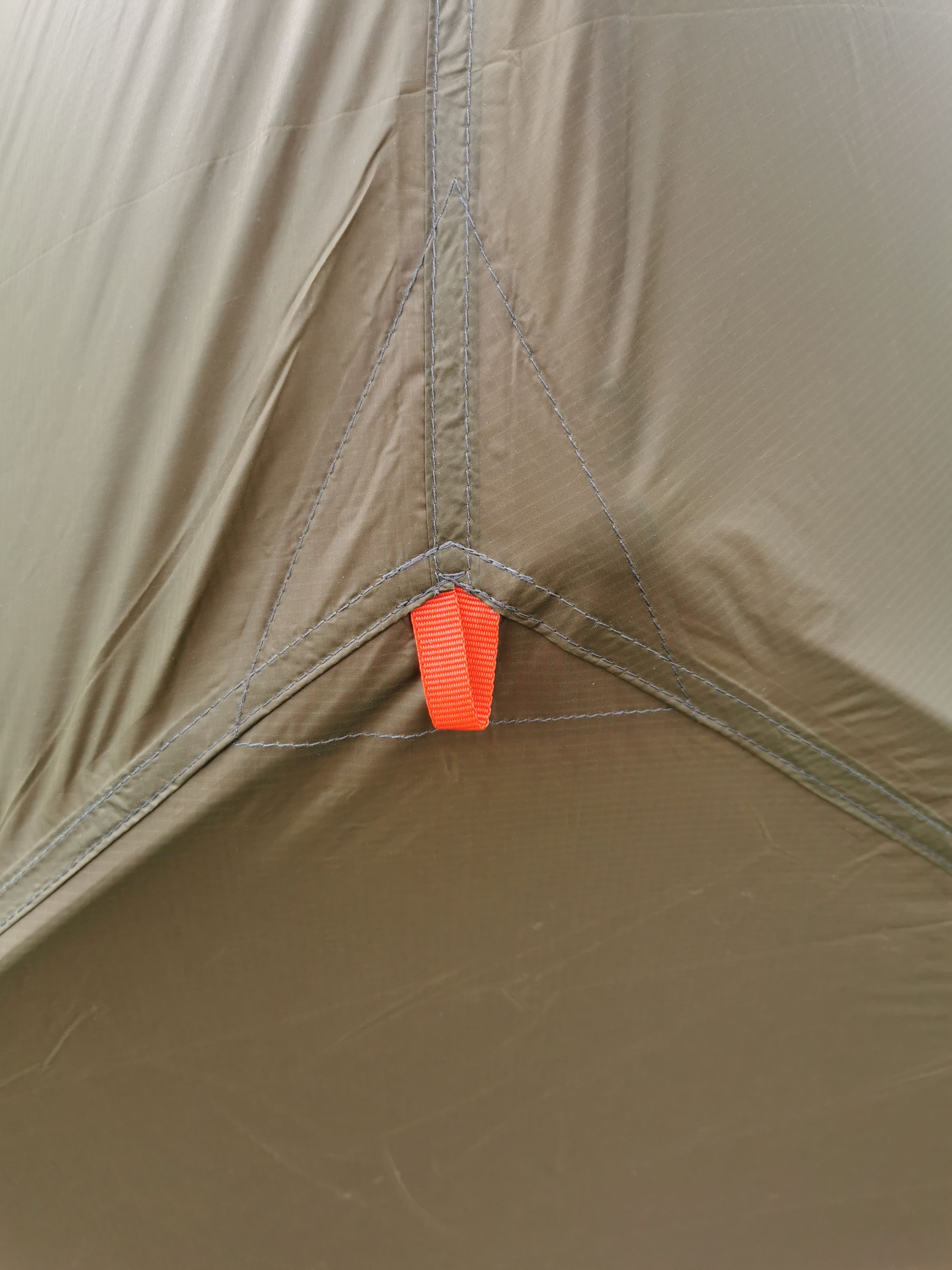
Size: At 216 centimeters, the tent is big enough for me at 186 centimeters. The width of 76 centimeters is enough to have some space on the left and right next to a sleeping mat. The height of 97 centimeters ensures that the tent roof doesn't fall on your head even in bad weather. There is also enough space for changing in the tent at 97 centimeters. The area is rectangular. It is always important that neither your head nor your feet touch the walls in the sleeping bag.
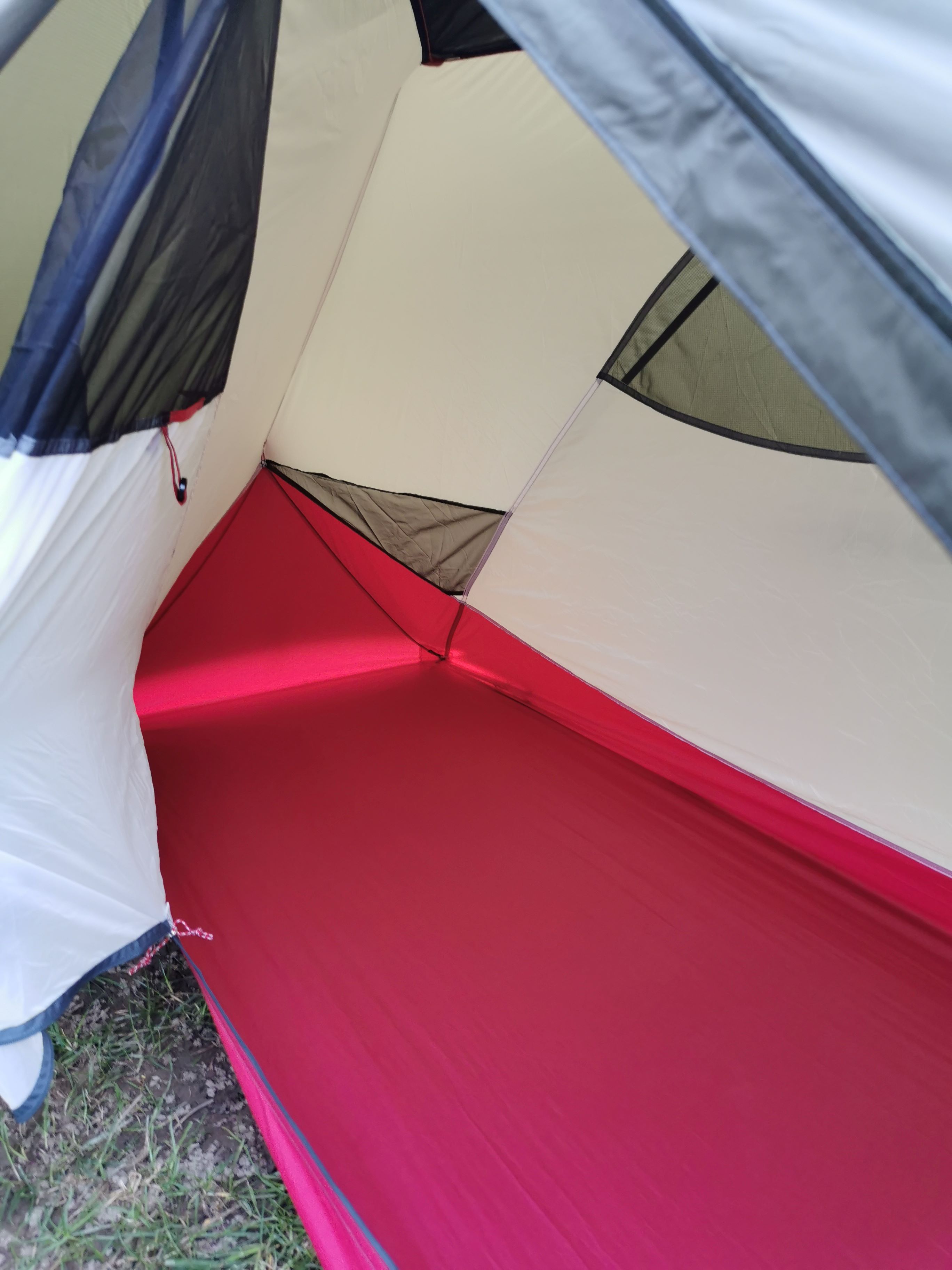
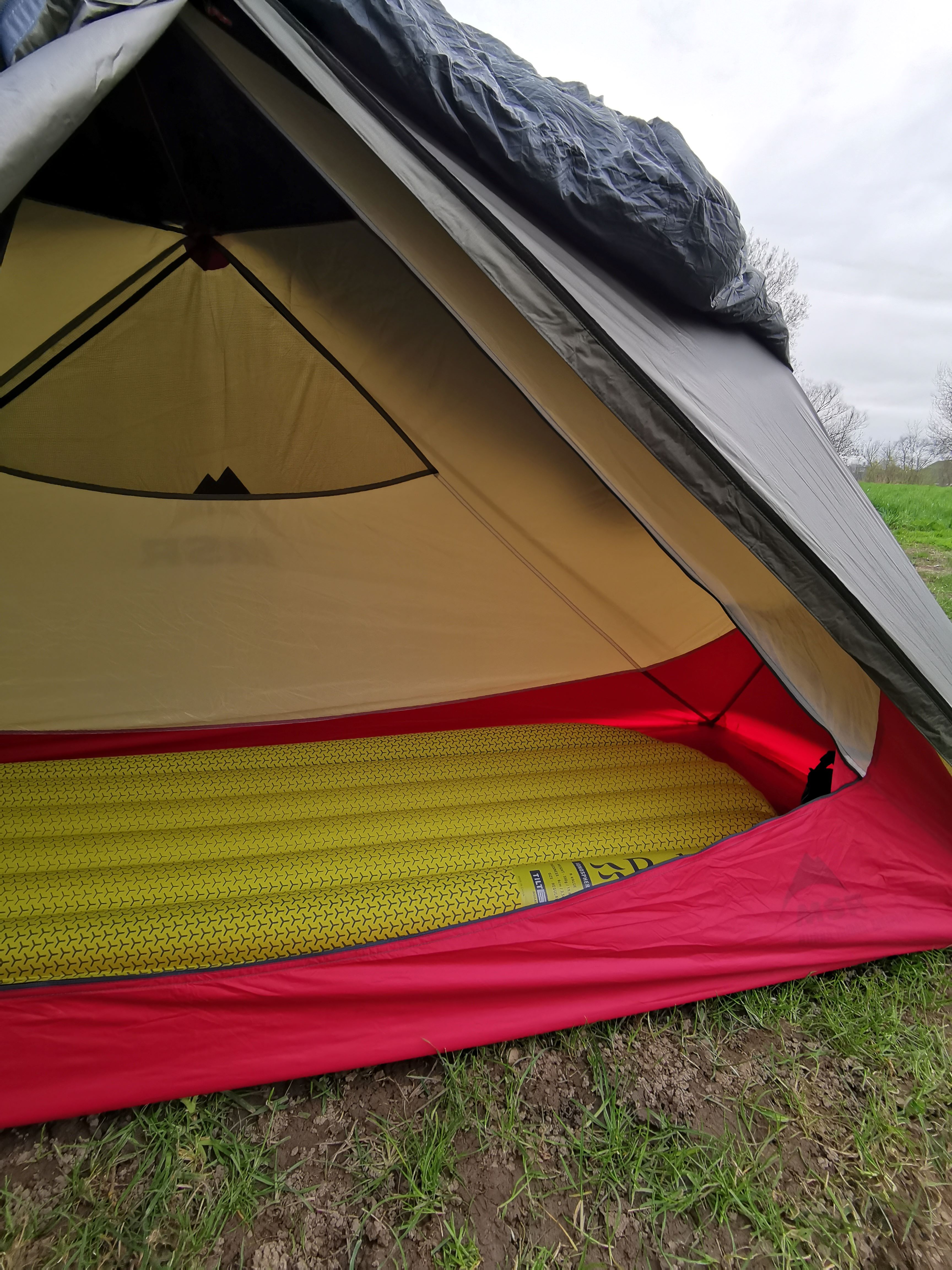
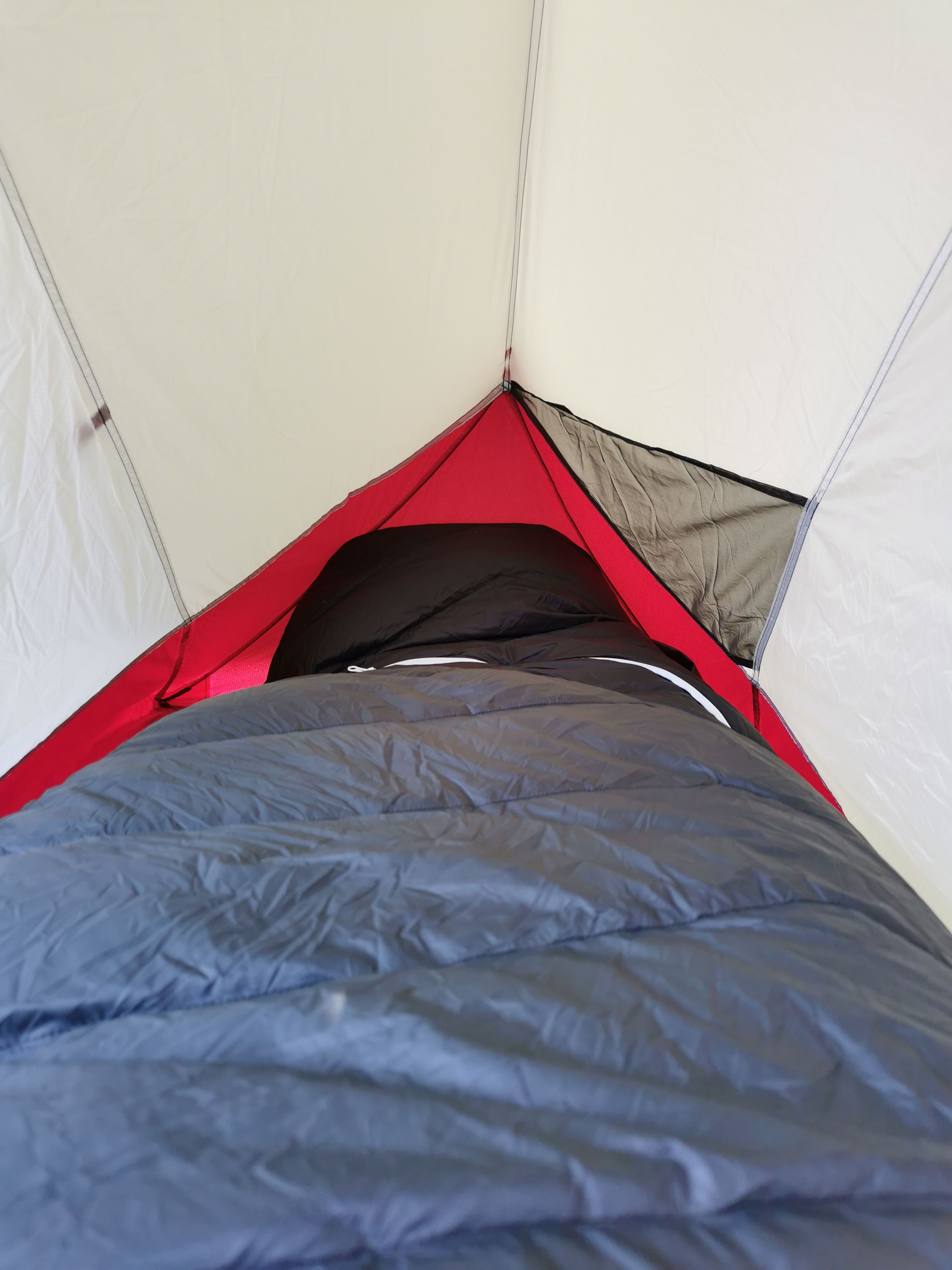
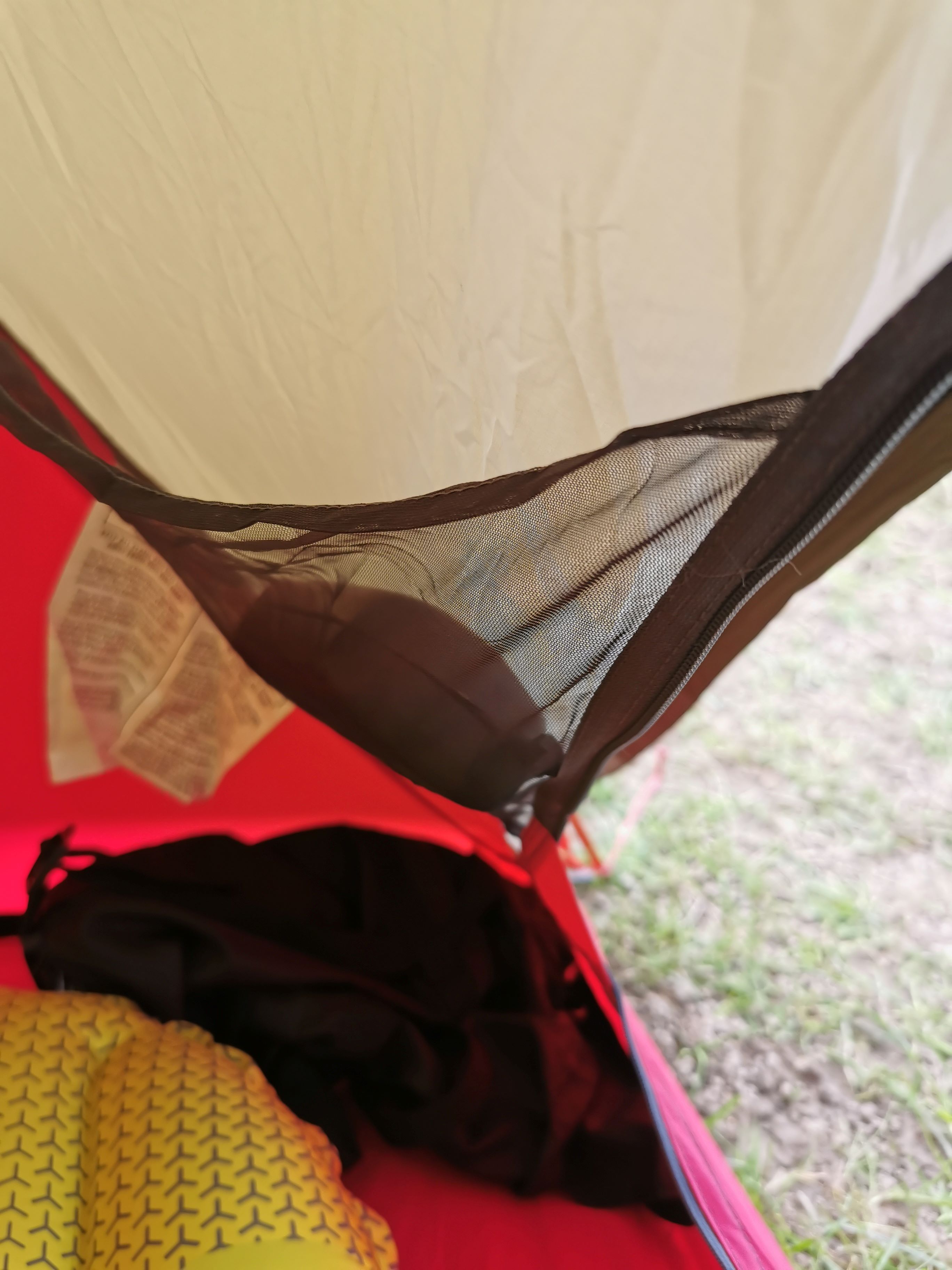
Storage areas: In the tent itself, there are shelves on the ceiling where you can put your flashlight or glasses, for example. You also have the option of drying your things on an attached inner line. The tech-friendly pockets have cable ports on the corners for charging cables, and the large hanging gear pockets are perfect for gloves, sunglasses and other quickly accessible items. An inner clothesline and an optional but included outer clothesline offer plenty of space for hanging up wet gear.
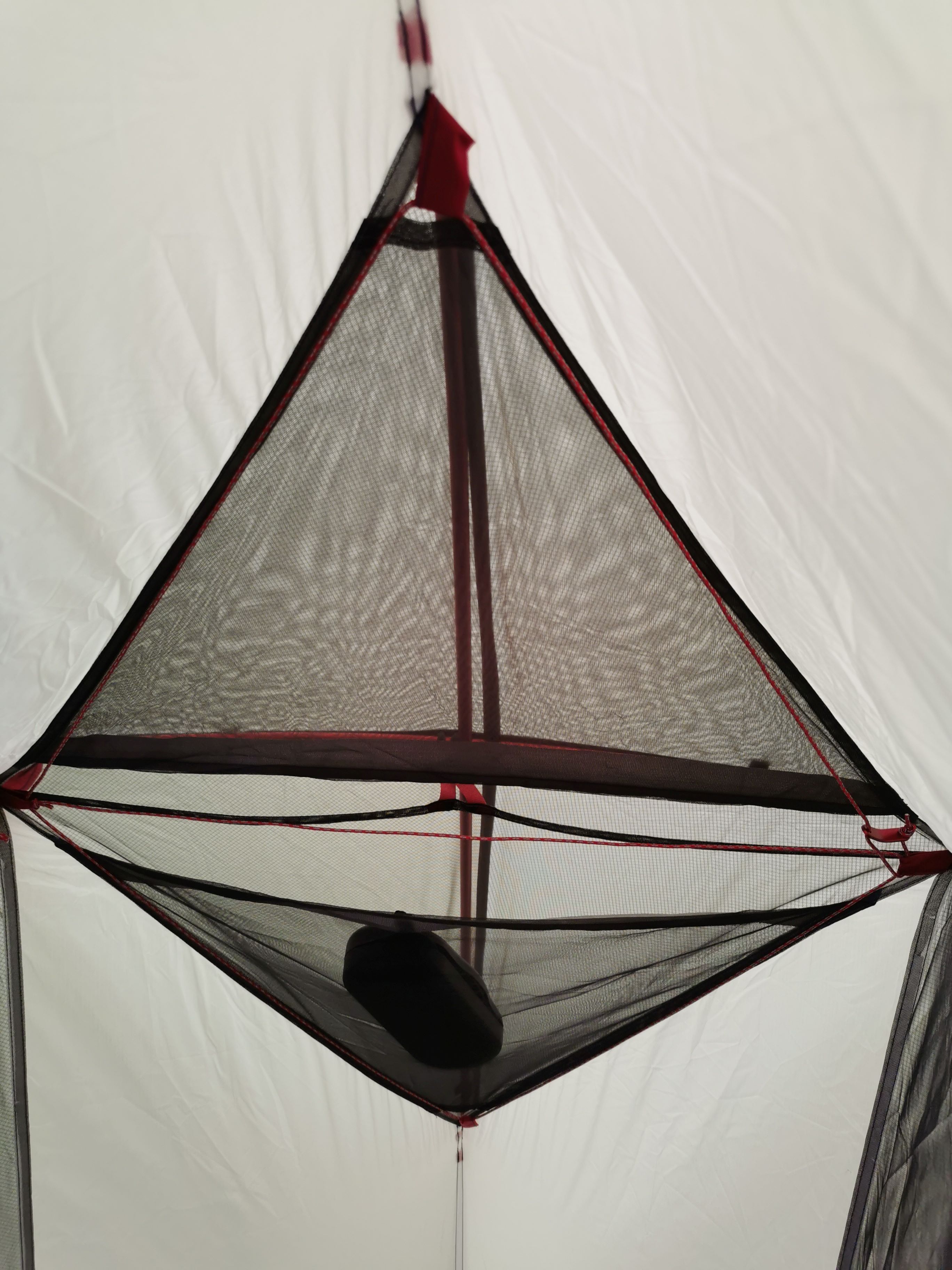
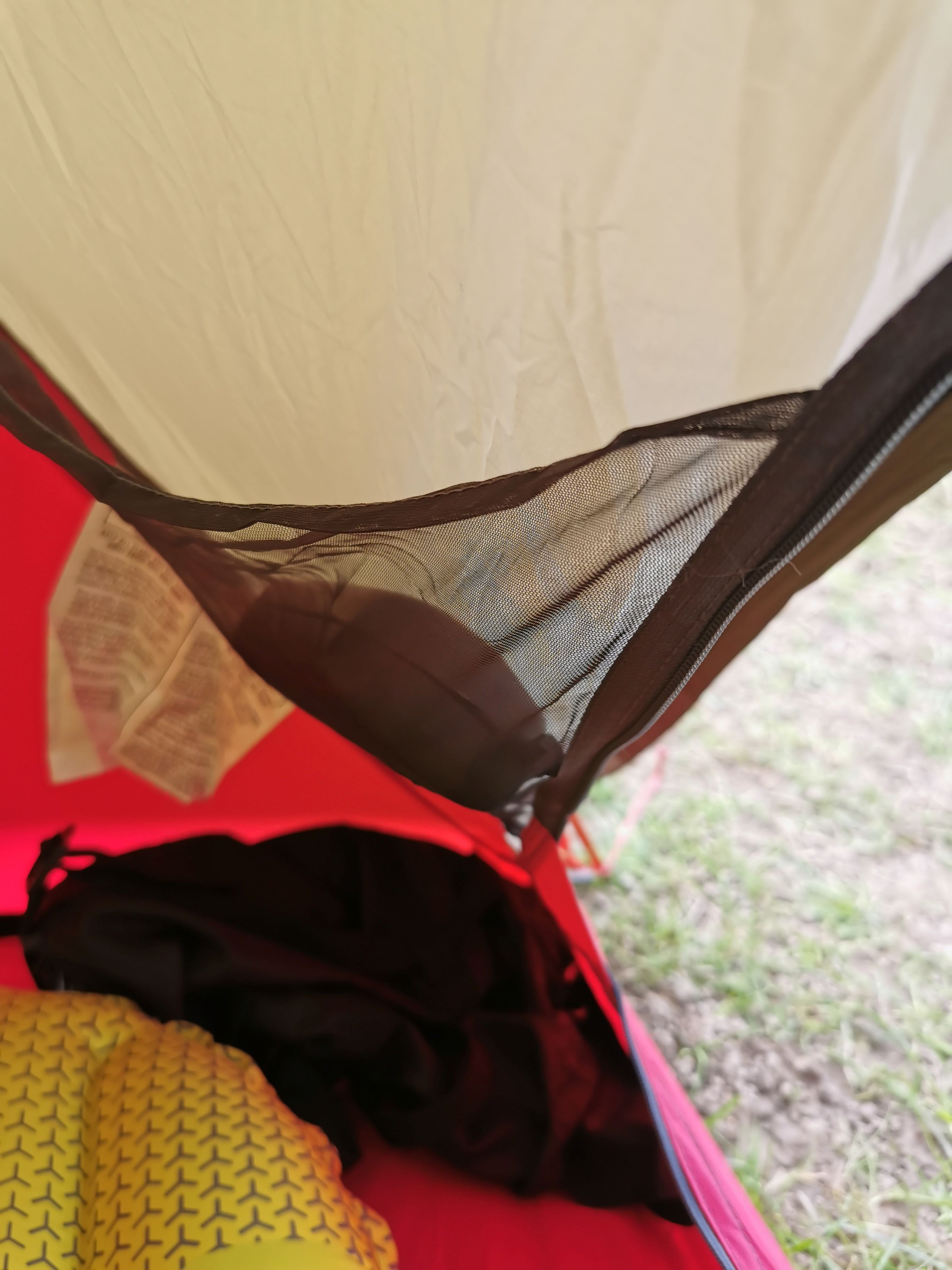
There is also the option of a clothesline. Very well thought out and cyclist-friendly.
Apse: The apse also offers storage space and unloading options. To get to the apse, you have to go into the west wing of the tent, where the zipper is located. This only opens up to a certain point, but you quickly get used to it. The zipper has worked perfectly so far, without jamming or problems.
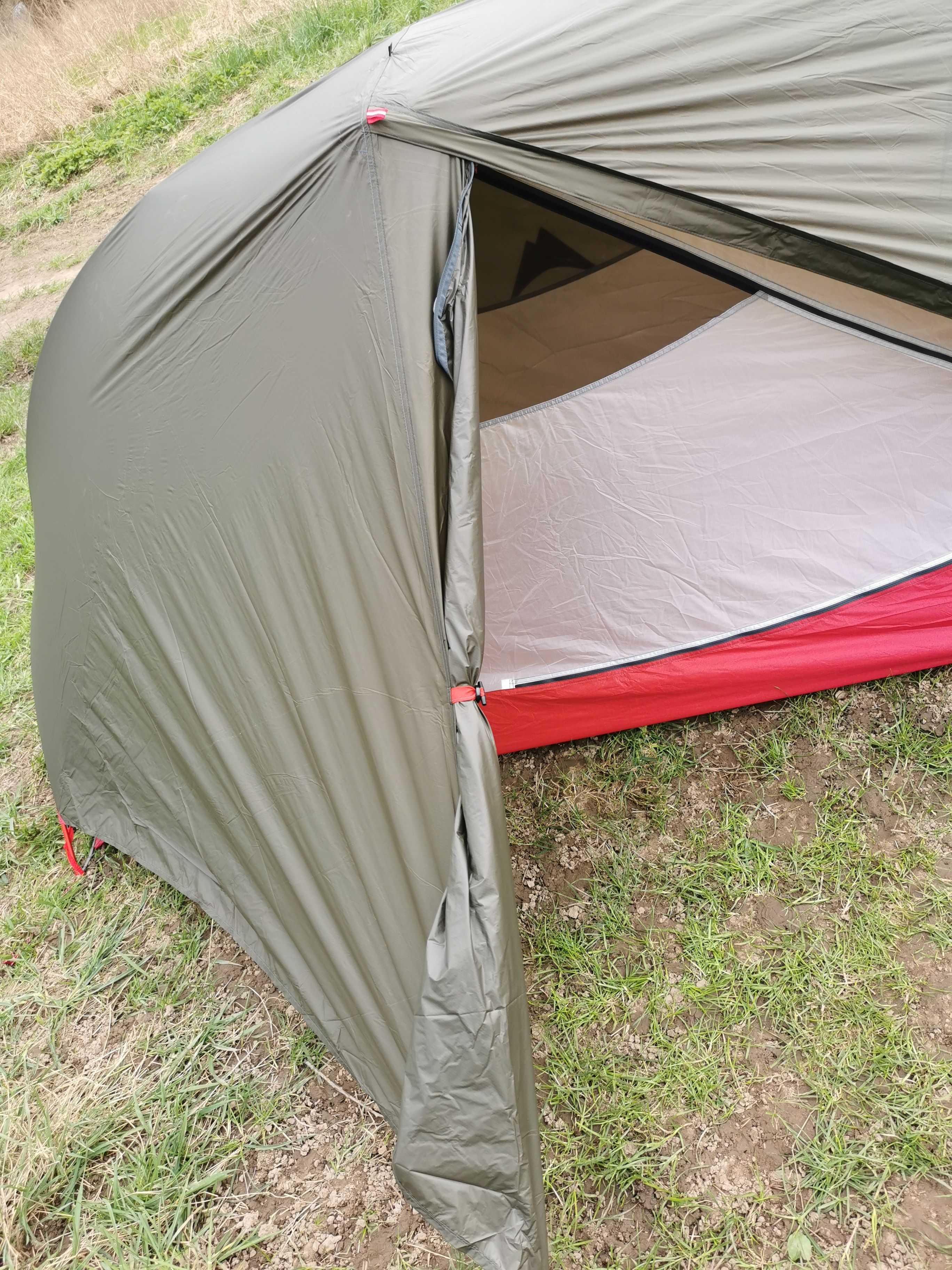
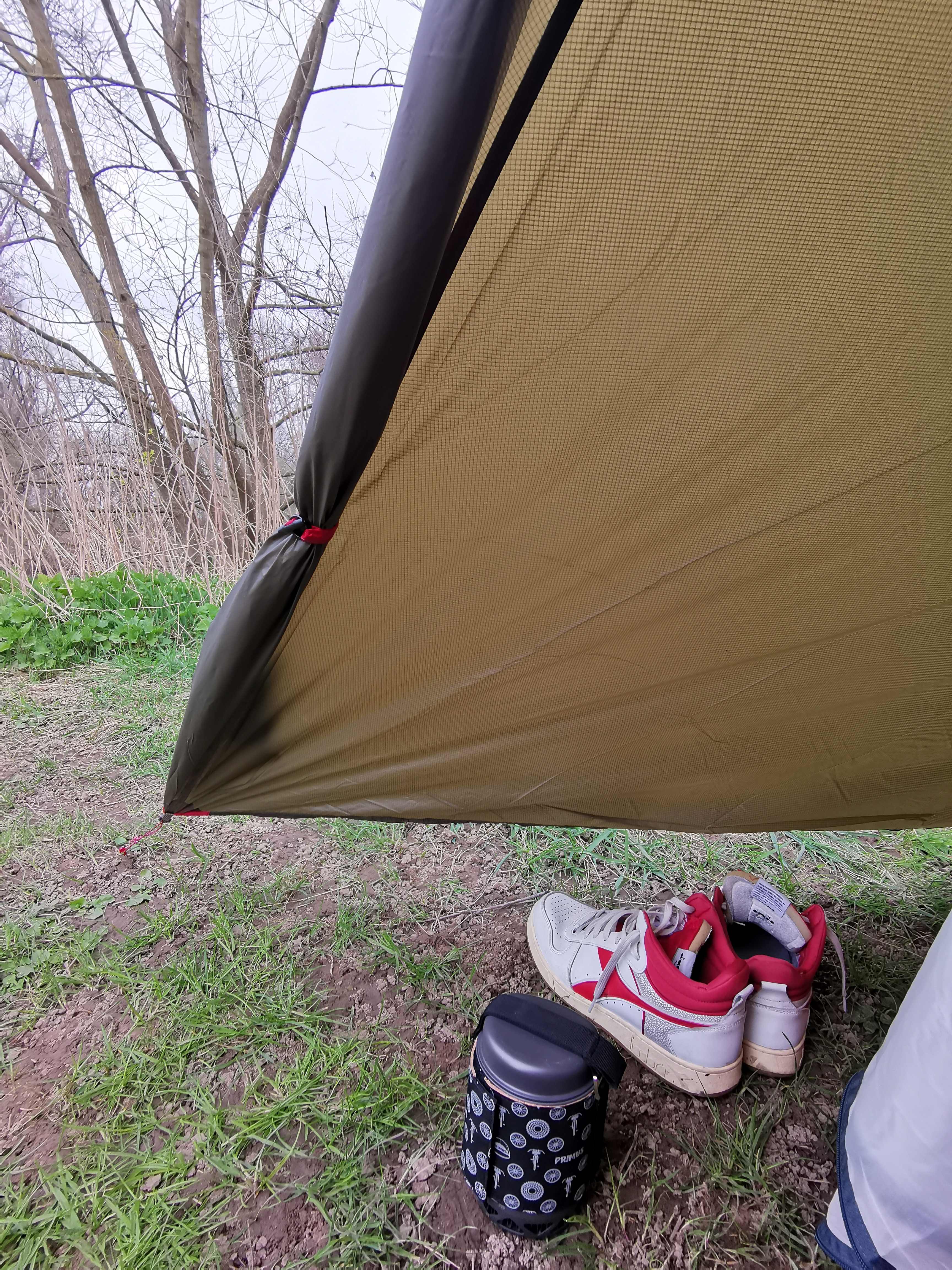
The zipper is easy to close and is additionally held in place with a Velcro fastener.
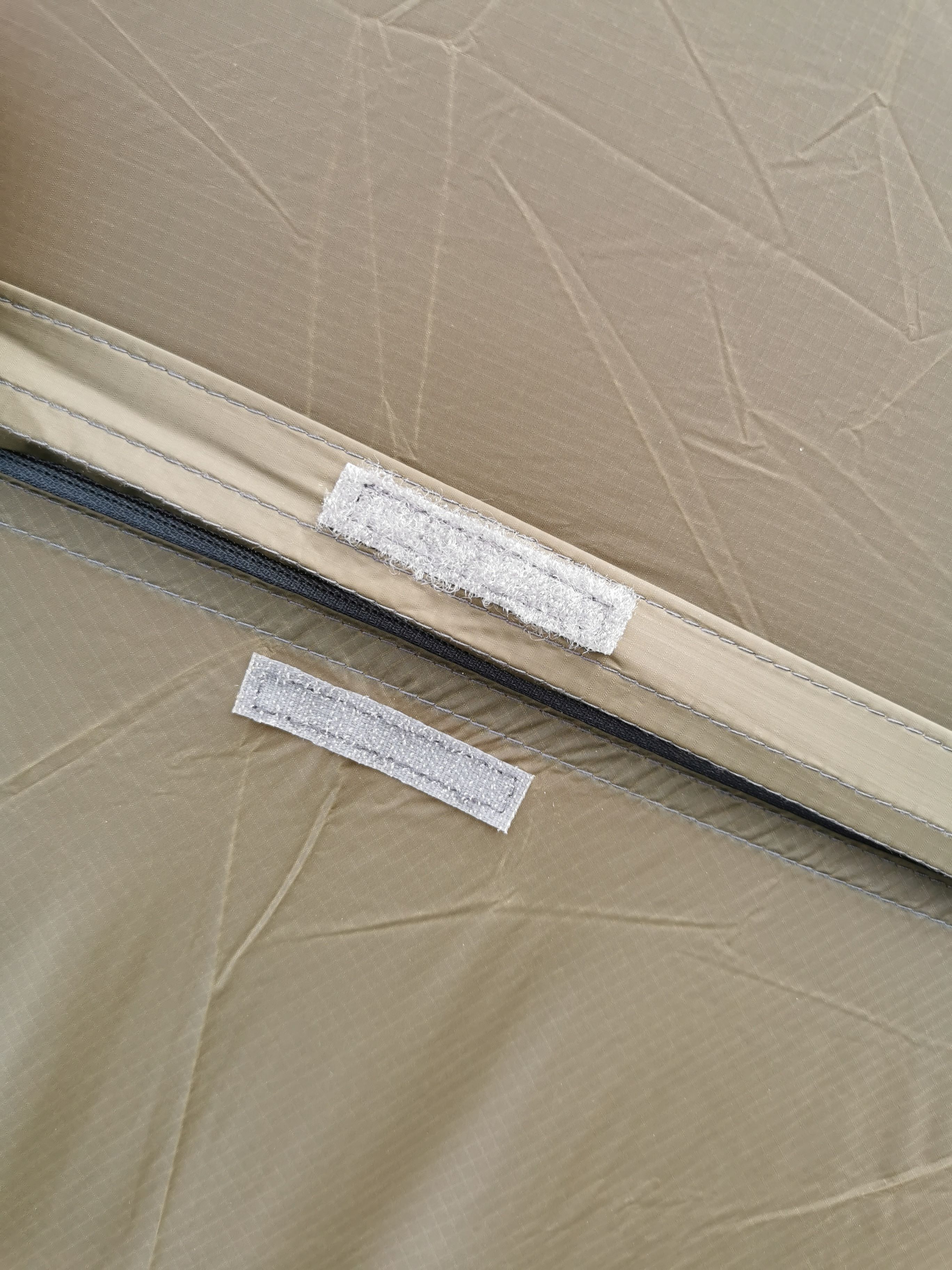
The outer tarpaulin, like the floor pan, with its 1200 millimeter water column, ensures that you are safe from rain in the tent. But 1200 millimeters seemed very little to me at first. After researching Globetrotter and other reliable outdoor tip sites, a water column of at least 3000 millimeters is recommended. So I think it's very generous to call the Hubba a 3-season tent. It's probably more of a tent for drier days and not constant rain in Scandinavia. Further testing will perhaps show that.
The easy-to-open and pull-out vestibule door features a StayDry gutter to keep water from dripping off you and your gear, and a ventilation flap ensures good air circulation.
Conclusion:
MSR's tent is of the highest quality for bikepackers. The only things that could be improved are the fastening system on the handlebar and the water column.